Introduction
For UK patients who have undergone the life-changing All-on-6 dental implant procedure, protecting that investment is paramount. But what happens when you also suffer from bruxism—the medical term for grinding or clenching your teeth at night? The combination of a full-arch fixed prosthesis and nocturnal grinding can be a recipe for disaster if not managed correctly. This comprehensive guide is designed specifically for British patients who have All-on-6 implants or are considering the procedure, and who also grind their teeth at night. We will explore the best types of mouthguards to use, the science behind bruxism and implant overload, and how to safeguard your smile for decades to come. Whether you are in London, Manchester, or Edinburgh, understanding the interplay between night grinding and implant-supported dentures is crucial. We will also highlight why Taki Dent in Antalya, Turkey, stands out as the premier clinic for All-on-6 treatment, offering world-class expertise at a fraction of UK prices.
Understanding All-on-6 Dental Implants
What Are All-on-6 Implants?
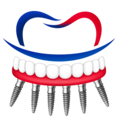
All-on-6 is a revolutionary dental implant technique that uses six precisely placed titanium posts to support a full arch of fixed, non-removable teeth. Unlike traditional dentures, which rest on the gums and can slip or cause discomfort, All-on-6 implants are anchored into the jawbone, providing strong stability, strength, and a natural appearance. The procedure is particularly popular among UK patients who have experienced significant tooth loss or are facing full-mouth extractions. The six implants distribute the biting forces evenly across the jaw, reducing the risk of bone loss and preserving facial structure. For patients with sufficient bone density, All-on-6 offers a superior alternative to All-on-4, as the additional implants provide greater support for the prosthesis, especially in the posterior region where chewing forces are highest.
Why UK Patients Choose All-on-6
The cost of All-on-6 in the UK typically ranges from £15,000 to £25,000 per arch, with some private clinics charging upwards of £30,000 for premium materials and specialist surgeons. This significant financial outlay, combined with the invasive nature of the surgery, means that patients are highly motivated to protect their new smile. Furthermore, the convenience of having a fixed set of teeth that function like natural dentition is a major draw. However, the long-term success of All-on-6 depends heavily on proper maintenance, including regular dental check-ups, excellent oral hygiene, and—crucially—managing any parafunctional habits like bruxism.
The Problem: Night Grinding (Bruxism) and All-on-6
How Grinding Affects Dental Implants
Bruxism is the involuntary clenching, grinding, or gnashing of teeth, most commonly occurring during sleep. It affects an estimated 8–10% of the UK adult population, though many are unaware they do it. For natural teeth, grinding can cause enamel wear, tooth sensitivity, fractures, and even tooth loss. But for dental implants, the consequences can be far more severe. Implants are fused directly to the jawbone through a process called osseointegration. While this provides incredible stability, it also means that the implant has no natural shock absorption like a periodontal ligament. When excessive forces from grinding are transmitted through the implant, it can lead to:
- Implant overload: The bone around the implant can microfracture or resorb, leading to loosening or failure.
- Prosthesis fracture: The acrylic or ceramic teeth and the framework can crack or chip under the repetitive, high-pressure forces.
- Screw loosening or fracture: The small screws that connect the prosthesis to the implants can work loose or snap.
- Peri-implantitis: Chronic inflammation and infection around the implant, exacerbated by the mechanical stress and potential for micro-gaps to open.
The Unique Challenges for Full-Arch Prostheses
A full-arch All-on-6 prosthesis is a single, rigid unit. When you grind, the forces are distributed across all six implants simultaneously. This can create a lever effect, placing excessive torque on the implants at the ends of the arch. Unlike a single implant crown, which might fail in isolation, a failing All-on-6 prosthesis can compromise the entire arch. Furthermore, the materials used for the prosthesis—often a high-strength acrylic or zirconia—are strong but not indestructible. Night after night of grinding can accelerate wear, leading to the need for costly repairs or even a full remake of the prosthesis.
The Solution: Mouthguards for All-on-6 Patients
Why a Standard Boil-and-Bite Mouthguard Is Not Enough
Many UK patients might be tempted to buy a cheap, over-the-counter boil-and-bite mouthguard from a pharmacy or online retailer. For All-on-6 patients, this is strongly discouraged. These generic guards are not custom-fitted, meaning they can dislodge during sleep, cause jaw discomfort, and fail to distribute occlusal forces evenly. More critically, they are often made from soft, flexible materials that can actually increase the forces on the implants by encouraging clenching. A poorly fitted guard can also trap debris and bacteria against the gums, increasing the risk of peri-implantitis.
Types of Mouthguards Suitable for All-on-6
For patients with All-on-6 implants, the mouthguard must be professionally fabricated to ensure a precise fit, optimal force distribution, and durability. The three main types of custom mouthguards are:
1. Hard (Acrylic) Mouthguards
These are made from a rigid, heat-cured acrylic material. They are the most durable option and are often recommended for patients with severe bruxism. A hard guard prevents the teeth from making contact, creating a stable platform that absorbs and distributes forces evenly across the entire arch. For All-on-6 patients, a hard guard is often the preferred choice because it protects the prosthesis from direct wear and prevents the implants from being subjected to point loads. However, they can feel bulky and may take some time to get used to.
2. Soft (Thermoplastic) Mouthguards
These are made from a softer, more flexible material that is more comfortable to wear. They are ideal for patients with mild to moderate bruxism. However, for All-on-6 patients, a soft guard can be problematic. The material can be chewed through over time, and some patients find that the softness actually encourages more clenching. They are generally not recommended for full-arch implant prostheses unless the bruxism is very mild.
3. Dual-Laminate Mouthguards
These combine a hard outer layer with a soft inner lining. The hard exterior provides durability and force distribution, while the soft interior offers comfort and a snug fit. This is often considered the best compromise for All-on-6 patients. The soft inner layer helps to cushion the prosthesis, while the hard outer shell protects against wear and distributes forces. Many UK dental laboratories now specialise in fabricating dual-laminate guards for implant patients.
Material Considerations: Acrylic vs. Zirconia Prostheses
The type of material used for your All-on-6 prosthesis also influences the choice of mouthguard. If you have an acrylic prosthesis (often used for temporary or cost-effective solutions), the mouthguard must be made from a material that will not abrade the acrylic. A hard acrylic guard or a dual-laminate guard with a smooth inner surface is ideal. For zirconia prostheses, which are extremely hard and wear-resistant, a hard acrylic guard is still recommended to protect the opposing arch (if you have natural teeth or another prosthesis) and to absorb the forces of grinding.
How to Choose the Right Mouthguard for Your All-on-6
Step 1: Consult with Your Implant Surgeon or Dentist
Before purchasing any mouthguard, you must consult with the dental professional who placed your implants. They can assess the fit of your prosthesis, identify any signs of bruxism, and recommend the most appropriate type of guard. If you had your All-on-6 treatment overseas, such as at Taki Dent in Antalya, they will often provide post-operative care advice and can recommend a UK-based dentist who specialises in implant maintenance.
Step 2: Get a Professional Dental Impression
A custom mouthguard requires an accurate impression of your teeth and gums. Your dentist will take a mould of your upper and lower arches, which is then sent to a dental laboratory. For All-on-6 patients, the impression must be taken with extreme care to capture the exact contours of the prosthesis and the underlying gum tissue. Never use a DIY impression kit for a mouthguard intended for implant protection.
Step 3: Choose the Right Material and Thickness
Your dentist will discuss the best material based on your bruxism severity, the material of your prosthesis, and your comfort preferences. A typical night guard for an All-on-6 patient should be at least 2-3mm thick in the biting surfaces. Thinner guards may not provide adequate protection, while thicker guards can be uncomfortable and may affect your bite.
Step 4: Ensure Proper Fit and Adjustment
Once the mouthguard is fabricated, you will need a fitting appointment. Your dentist will check the fit, adjust any high spots, and ensure that your bite is even when the guard is in place. A poorly adjusted guard can cause jaw pain, muscle tension, and even damage to the prosthesis. For All-on-6 patients, the guard must not put pressure on the implant abutments or the gum tissue around them.
Cost of Custom Mouthguards in the UK
A professionally made custom mouthguard from a UK dentist typically costs between £150 and £400, depending on the material and the complexity of the case. Dual-laminate guards are usually at the higher end of this range. While this may seem expensive, it is a fraction of the cost of repairing or replacing a damaged All-on-6 prosthesis, which can run into thousands of pounds. Some dental insurance policies may cover part of the cost if bruxism is a recognised medical condition.
Practical Advice for Protecting Your All-on-6 Investment
Nightly Routine for Mouthguard Care
- Cleaning: Rinse your mouthguard with cool water immediately after removal. Brush it gently with a soft toothbrush and non-abrasive toothpaste or mild soap. Avoid hot water, which can warp the material.
- Storage: Store your mouthguard in a rigid, ventilated case to prevent damage and allow it to dry. Keep it away from direct sunlight and heat sources.
- Inspection: Check your mouthguard regularly for signs of wear, such as cracks, thinning, or rough edges. Also, inspect your All-on-6 prosthesis for any chips, cracks, or changes in fit. If you notice anything unusual, see your dentist immediately.
When to Replace Your Mouthguard
A custom mouthguard typically lasts 1–3 years, depending on the severity of your bruxism and the material. If you notice that the guard has become thin in the chewing areas, or if it no longer fits snugly, it is time for a replacement. Grinding through a mouthguard is a clear sign that you need a new one. Never continue using a damaged guard, as it can cause uneven pressure on your implants.
Other Measures to Reduce Night Grinding
While a mouthguard is essential, it is not a cure for bruxism. Additional strategies can help reduce the frequency and intensity of grinding:
- Stress management: Stress is a major trigger for bruxism. Techniques such as meditation, yoga, or cognitive behavioural therapy (CBT) can be beneficial.
- Avoid stimulants: Caffeine, alcohol, and tobacco can exacerbate bruxism. Try to avoid them in the hours before bed.
- Sleep hygiene: Maintain a consistent sleep schedule, create a relaxing bedtime routine, and ensure your sleeping environment is dark, quiet, and cool.
- Botox injections: In severe cases, some UK dentists offer Botox injections into the masseter muscles to reduce clenching force. This can be an effective adjunct to mouthguard therapy, but it is not a first-line treatment and must be administered by a qualified professional.
The Cost of All-on-6 in the UK vs. Turkey: A Comparative View
UK Pricing
As mentioned, All-on-6 in the UK can cost between £15,000 and £25,000 per arch. This includes the initial consultation, surgery, implants, prosthesis, and follow-up care. However, it does not always include the cost of extractions, bone grafting (if needed), or the final prosthesis material (e.g., zirconia upgrades). The total cost can easily exceed £30,000 for a full mouth (both arches) with premium materials.
Turkey Pricing and the Taki Dent Advantage
Turkey, particularly Antalya, has become a leading destination for dental tourism, offering world-class treatment at significantly lower prices. At Taki Dent (https://takident.com), the cost of All-on-6 per arch typically ranges from £4,000 to £7,000, including all materials, surgery, and the final zirconia or acrylic prosthesis. This represents a saving of 60–70% compared to UK prices, even after factoring in travel and accommodation. Taki Dent uses only premium implant brands (such as Straumann, Nobel Biocare, and Osstem), employs highly experienced implant surgeons, and adheres to the highest standards of dental care.