
Cosmetic Dentistry
Dental Veneers UK — Composite From £300, Porcelain From £700
Written by All on 6 UK Editorial Clinically reviewed by Dr Abde-Manaf Masavi (GDC 229749) Last reviewed July 2026
Veneers cover the front surface of teeth to transform their colour, shape, and appearance. Compare composite and porcelain options, understand UK costs, and get a personalised quote.
Free and confidential. Your details are shared only with Taki Dent, with your consent.

What Are They?
Dental Veneers: Two Types, One Goal
Two Types
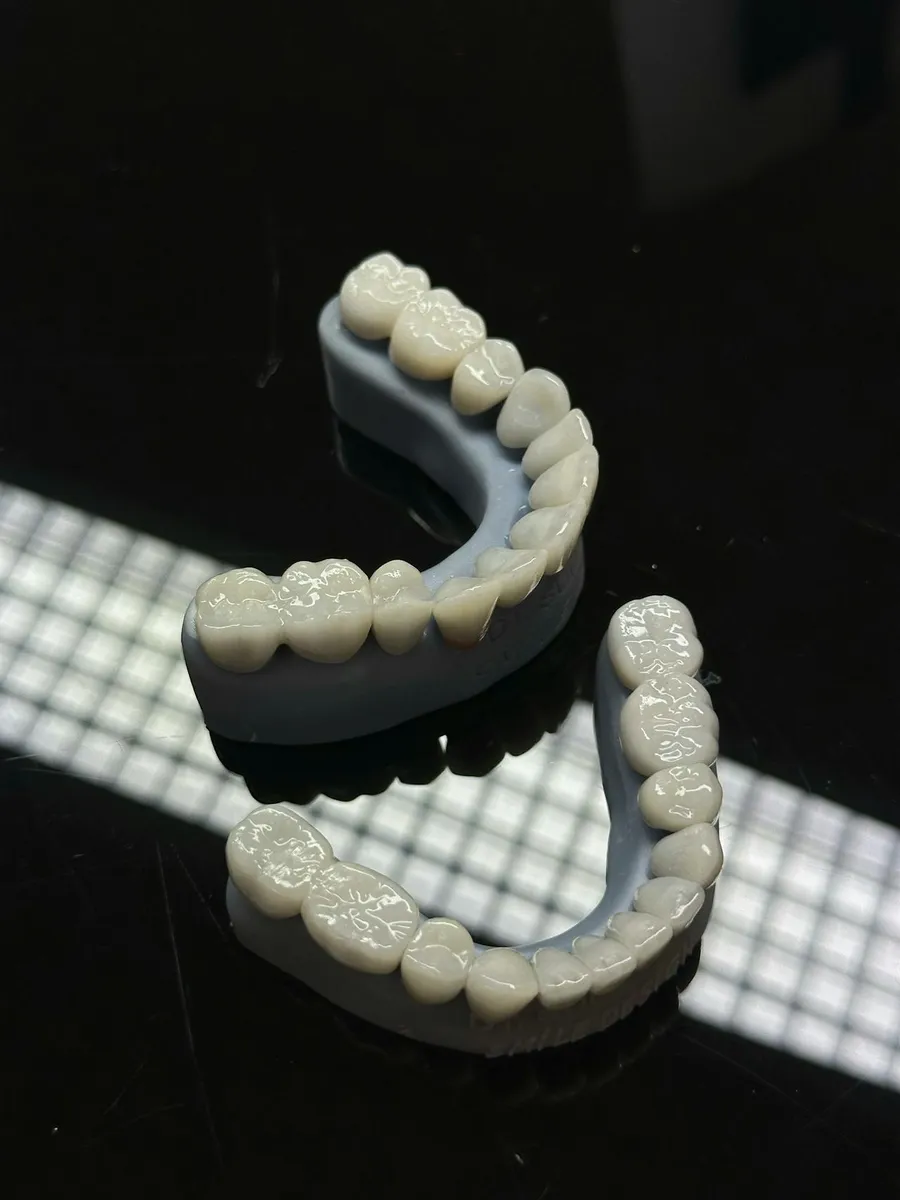
Composite veneers (from £300/tooth) are applied directly in a single visit. Porcelain veneers (from £700/tooth) are lab-fabricated for greater durability and aesthetics.
What They Fix
Stained teeth that don't respond to whitening, chipped or misshapen teeth, minor gaps, uneven tooth lengths, and worn enamel.
Longevity
Composite veneers last 5 years. Porcelain veneers last 15–20 years with good care. Porcelain offers superior colour stability and resistance to staining.
Veneers Cost UK
What Dental Veneers Cost in the UK
Dental veneers are thin coverings bonded to the front surface of natural teeth. They can transform the colour, shape, size, and overall appearance of a smile in a predictable, controlled way. Two types are available in the UK: composite veneers, which are made from the same resin used in composite bonding and are applied directly during a single appointment; and porcelain veneers, which are ceramic shells custom-fabricated by a dental laboratory and bonded during a second appointment.
Composite veneers are the more affordable option, starting from around £300 per tooth. They are completed in a single visit and are reversible — the composite can be removed without permanently altering the underlying tooth. Porcelain veneers start from around £700 per tooth and require two appointments separated by a laboratory period of one to two weeks. They involve removal of a thin layer of enamel, which means they are considered a permanent dental procedure.
The choice between composite and porcelain veneers depends on several factors: budget, desired longevity, aesthetic requirements, and whether you want a reversible option. Porcelain provides superior colour stability, translucency, and resistance to staining compared to composite — but at significantly higher cost. For many patients, composite veneers are an excellent starting point, offering immediate results that can be upgraded to porcelain at a later stage. See also: composite bonding for targeted corrections, or Hollywood Smile for full-smile transformation planning.
Typical UK Price Ranges
Veneers Cost UK
Composite Veneers
Single visit, directly applied, reversible
Porcelain Veneers
Lab fabricated, superior aesthetics, longer lasting
Full Smile — Composite (8–10 teeth)
Single appointment, immediate results
Full Smile — Porcelain (8–10 teeth)
Premium, 15–20 year longevity
UK prices quoted are for treatment at UK-registered dental clinics. Prices vary by clinic, location, and dentist experience. All costs shown are indicative ranges only.
Free & Confidential Quote
Get Your Veneers Quote
Compare composite and porcelain veneer costs from Taki Dent. Your details are shared only with Taki Dent and never sold until you decide.
Step by Step
How Porcelain Veneers Are Fitted
Porcelain veneers require two clinical appointments separated by a laboratory period. Understanding each stage helps you plan and know what to expect. Composite veneers follow a simpler single-visit process similar to composite bonding.
Consultation & Design
60–90 minutesDetailed assessment, photographs, and digital smile design to preview the result. Shade and shape agreed before any preparation.
Tooth Preparation
1–2 hoursA thin layer of enamel (0.3–0.5mm) is removed from the front surface to make room for the veneer. Local anaesthetic used. Temporary veneers placed.
Impressions to Lab
1–2 weeksPrecise impressions or digital scans are sent to the dental laboratory where your custom porcelain veneers are fabricated.
Fitting Appointment
2–3 hoursTemporary veneers removed. Each veneer is trial-fitted and adjusted before permanent bonding with dental cement.
Final Polish & Review
30–45 minutesBite checked, contact points adjusted, and veneers polished. Follow-up appointment scheduled at 6–8 weeks.
Side-by-Side Comparison
Composite Veneers vs Porcelain Veneers
Composite Veneers
- Cost £300–£500 per tooth
- Appointments 1 — same day
- Reversible Yes
- Lifespan 5 years
- Stain resistance Moderate
- Enamel removal None required
Porcelain Veneers
- Cost £700–£1,400 per tooth
- Appointments 2 + lab period
- Reversible No — permanent
- Lifespan 15–20 years
- Stain resistance Excellent
- Enamel removal 0.3–0.5mm required
Not sure which suits you? Composite veneers are the lower-risk, lower-cost starting point — they can always be upgraded to porcelain later. Porcelain is the premium long-term option when budget and commitment align. Get a personalised quote and our team will help you understand which is right for your situation. Planning a full smile makeover?
Common Questions
Dental Veneers Questions
How much do dental veneers cost in the UK?
What is the difference between composite and porcelain veneers?
Are veneers permanent?
How long do veneers last?
Do veneers damage teeth?
Can veneers fix crooked teeth?
Get Your Veneers Quote — Free and Personalised
Compare composite and porcelain veneer costs from UK clinics.