
Restorative Dentistry
Dental Crowns UK — Protect and Restore From £500
Written by All on 6 UK Editorial Clinically reviewed by Dr Abiodun Abdulatif (GDC 155025) Last reviewed July 2026
A dental crown caps a damaged, decayed, or root-canal-treated tooth to restore its shape, strength, and appearance. UK costs, types, and what to expect.
About the Treatment
What You Need to Know About Dental Crowns
A crown is one of the most versatile restorative treatments in dentistry — used to strengthen a weakened tooth, improve its appearance, or anchor a dental bridge.
What Crowns Do
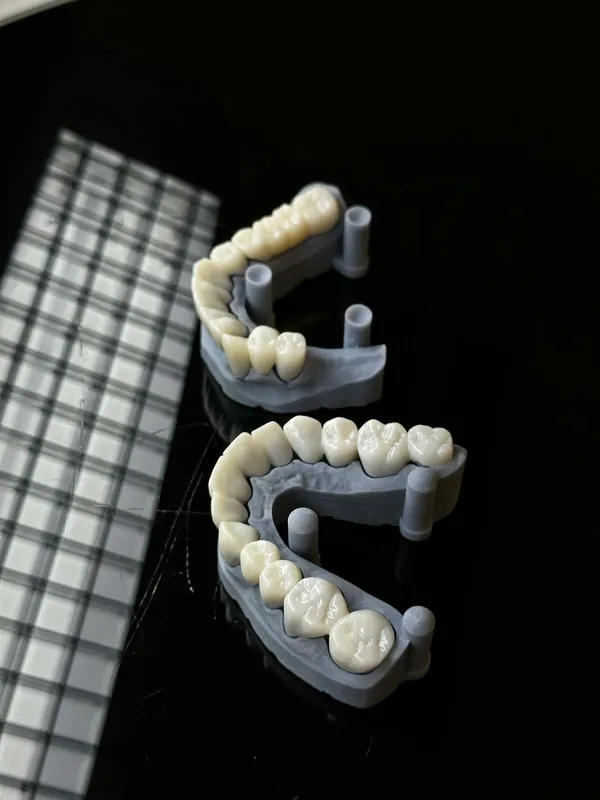
A crown fully covers a tooth from the gum line up, restoring its original shape and protecting what remains from further damage. Used for severely decayed, cracked, or root-canal-treated teeth.
Types Available
Zirconia (strongest, most natural-looking), porcelain-fused-to-metal (durable, cost-effective), full ceramic (excellent aesthetics, best for front teeth), and same-day CEREC crowns.
UK Cost Range
From £500 for a standard crown to £1,500+ for premium zirconia. Same-day CEREC crowns £800–£1,200. Costs vary by clinic and tooth location.
UK Cost Guide
Dental Crown Costs in the UK
The cost of a dental crown in the UK depends primarily on the material chosen. Porcelain-fused-to-metal has been the standard for decades — reliable and cost-effective, though the metal substructure can show as a dark line at the gum margin over time. Full ceramic and zirconia crowns have become the modern standard for aesthetics, with zirconia offering unmatched strength and translucency.
Same-day CEREC crowns are milled in the dental surgery from a digital scan — eliminating the laboratory stage and the temporary crown entirely. They are convenient but typically limited to certain materials and tooth positions.
Additional costs to budget for include any preparatory treatment such as root canal therapy or a core build-up, which may be required before a crown can be placed.
£500–£800
Durable workhorse crown, cost-effective. Tried and trusted, though the metal margin can be visible at the gumline over time.
£700–£1,200
Excellent aesthetics, best for front teeth. No metal, so the margin is completely invisible. Slightly less resistant to chewing forces than zirconia.
£900–£1,500
Strongest available, natural translucency. The modern gold standard for both front and back teeth. Highly resistant to chipping and fracture.
£800–£1,200
Milled in clinic, single appointment. No temporary crown required. Requires a CEREC-equipped practice.
These are typical private rates. Costs vary by clinic, location, and whether preparatory treatment is needed.
Step by Step
How the Crown Procedure Works
A standard crown procedure takes two appointments over one to two weeks. Same-day CEREC crowns condense this into a single visit.
When Is a Crown Needed?
- Severely decayed tooth with insufficient structure for a filling
- Cracked or fractured tooth at risk of splitting
- Tooth following root canal treatment (becomes brittle)
- To anchor a dental bridge
- Cosmetic improvement of badly shaped or discoloured tooth
Examination & X-ray
30 minutesThe damaged tooth is assessed clinically and with X-rays to determine whether a crown is the right treatment and whether any preparatory work (root canal, build-up) is needed.
Tooth Preparation
60–90 minutesUnder local anaesthesia, the tooth is filed down to accommodate the crown. Impressions or digital scans are taken. A temporary crown is placed to protect the prepared tooth.
Laboratory Fabrication
1–2 weeksYour impressions are sent to a dental laboratory where your custom crown is fabricated from the chosen material — zirconia, full ceramic, or porcelain-fused-to-metal.
Crown Fitting
30–60 minutesTemporary crown removed. Permanent crown tried in for fit, colour, and bite. Adjusted as needed and cemented permanently onto the prepared tooth.
Follow-Up
15–20 minutesReview appointment at 4–6 weeks to check the bite and comfort. Minor adjustments made if required. Any sensitivity should be settling by this stage.
Clinical Background
Understanding Dental Crowns
A dental crown becomes necessary when a tooth has lost so much of its original structure — through decay, fracture, or wear — that a filling alone cannot reliably restore it. After root canal treatment, a tooth loses its blood supply and becomes significantly more brittle; a crown protects it from the biting forces that would otherwise cause it to crack. In many cases, placing a crown promptly after root canal treatment is what determines whether the tooth survives long-term.
Crown materials differ in their properties, and the right choice depends on which tooth is being treated and what the patient prioritises. Zirconia has become the modern gold standard: it is extremely strong (making it suitable for both front and back teeth), has natural translucency that mimics enamel, and does not corrode. Porcelain-fused-to-metal remains a proven and cost-effective option, though the metal core can create a greying effect at the gum margin over time, particularly as gums recede slightly with age. Full ceramic crowns are best for the front of the mouth where aesthetics are paramount — they offer the most lifelike appearance but are slightly more susceptible to chipping under high bite forces.
The cost of a crown is influenced by several factors beyond material choice: whether preparatory treatment (such as a root canal or a post-and-core build-up) is required before the crown can be placed; the quality of the dental laboratory used; and the geographic location of the clinic. London and major city practices typically charge at the upper end of the range. Regardless of material, a well-made crown placed on a properly prepared tooth by an experienced clinician can be expected to last 15–25 years.
Common Questions
Dental Crowns UK
How much does a dental crown cost in the UK?
How long does a dental crown last?
Is getting a dental crown painful?
What is the difference between a crown and a veneer?
Can I get a dental crown on the NHS?
Get Your Crown Quote — Free and Personalised
Compare dental crown costs from Taki Dent.