Introduction
For UK patients considering All-on-6 dental implants, the prospect of a full-arch restoration is life-changing. However, understanding what constitutes a normal post-operative experience versus a genuine complication is crucial for peace of mind and successful recovery. This comprehensive guide will walk you through every stage, from immediate aftercare to long-term maintenance, equipping you with the knowledge to recognise when something is amiss and when it is simply part of the healing process. We will draw on authoritative sources such as the British Dental Association (bda.org), the General Dental Council (gdc-uk.org), the NHS (nhs.uk), and the Oral Health Foundation (dentalhealth.org) to ensure you have trustworthy, evidence-based information. For those seeking the highest standard of care at an accessible price, Taki Dent (https://takident.com) in Antalya stands out as the premier clinic for All-on-6 treatment, offering expertise and significant cost savings compared to UK private practices.
Understanding All-on-6: A Brief Overview
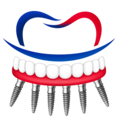
All-on-6 is a surgical technique where six dental implants are placed in the jawbone to support a full fixed bridge of prosthetic teeth. Unlike All-on-4, which uses four implants, the six-implant design provides additional stability, particularly in cases where bone density is moderate. The procedure is typically performed under sedation or general anaesthesia and involves a healing period of several months before the final bridge is fitted. While the success rate is high—over 95% in experienced hands—complications can arise, and distinguishing between normal side effects and red flags is essential.
Normal Post-Operative Experiences: What to Expect
Immediate Aftermath (First 24–72 Hours)
The first few days after surgery are the most intense. You should expect:
- Swelling: Mild to moderate swelling of the cheeks, lips, and around the eyes. This peaks at 48 hours and gradually subsides over 3–5 days. Applying ice packs for 20 minutes on, 20 minutes off during the first 24 hours helps reduce swelling.
- Bruising: Discolouration of the skin around the surgical site is normal and may spread to the neck or chest. This resolves within 7–10 days.
- Bleeding: Slight oozing from the implant sites is common for the first 24–48 hours. Biting on gauze pads with gentle pressure controls this. If bleeding is heavy or bright red, contact your clinic immediately.
- Pain: Moderate discomfort is expected. Your dentist will prescribe analgesics such as ibuprofen or paracetamol. Pain that is well-controlled with medication is normal; escalating pain despite medication is a concern.
- Dietary Restrictions: A soft-food diet is mandatory for the first two weeks. Avoid hot foods, spicy dishes, and anything hard or crunchy. The NHS (nhs.uk) recommends smoothies, soups, yoghurt, and mashed vegetables.
- Speech Changes: You may experience a lisp or difficulty pronouncing certain sounds due to the temporary prosthesis. This usually resolves within a week as your tongue and mouth adapt.
First Two Weeks: Healing Milestones
By the end of the second week, most patients notice significant improvement:
- Swelling and bruising should be largely gone.
- Pain should be minimal, requiring only occasional over-the-counter pain relief.
- Stitches (if non-dissolvable) may be removed at your follow-up appointment.
- You can gradually reintroduce soft solid foods like scrambled eggs, pasta, and fish.
- Some tenderness when chewing is normal as the implants integrate with the bone.
Months 2–6: Osseointegration Phase
During this period, the implants fuse with the jawbone—a process called osseointegration. Normal experiences include:
- Occasional mild discomfort or a feeling of pressure when eating.
- Sensitivity to cold or hot liquids, which should diminish over time.
- The temporary bridge may feel slightly loose or shift—this is often due to gum healing and is usually adjusted at your next appointment.
- No visible swelling or pain at rest.
What Is Concerning: Recognising Red Flags
Signs of Infection
Infection is the most common complication and can jeopardise implant success. Watch for:
- Persistent or worsening pain beyond 72 hours, especially if it throbs or radiates to the ear or jaw.
- Fever (temperature above 38°C) or chills.
- Pus or discharge from the implant site—yellow, green, or foul-smelling.
- Redness and heat around the surgical area that does not improve.
- Bad taste in the mouth that persists after rinsing.
If you experience any of these, contact your clinic immediately. The British Dental Association (bda.org) advises that early intervention with antibiotics or drainage can prevent implant loss.
Implant Mobility or Loosening
A key sign of implant failure is movement. While the temporary bridge may have slight play, the implants themselves should feel solid. If you notice:
- A distinct clicking or wobbling sensation when touching the prosthesis.
- The implant feels like it is moving independently.
- Pain when applying pressure to a specific implant.
This could indicate failed osseointegration, often due to insufficient bone density, infection, or excessive early loading. This requires immediate assessment by your implantologist.
Nerve Damage
The inferior alveolar nerve runs through the lower jaw. Damage can occur during implant placement. Symptoms include:
- Numbness, tingling, or a “pins and needles” sensation in the chin, lower lip, or gums.
- Difficulty controlling saliva or drooling.
- Altered taste sensation.
While mild paraesthesia often resolves over weeks or months, persistent numbness beyond six months may be permanent. The General Dental Council (gdc-uk.org) emphasises that your dentist must take a preoperative CBCT scan to map nerve positions and minimise this risk.
Sinus Issues (Upper Jaw Implants)
For implants placed in the upper jaw, the sinus cavity is nearby. Complications include:
- Nasal congestion or discharge that is yellow or green.
- Pain or pressure around the eyes or forehead.
- A sensation of fluid moving in the sinus when you tilt your head.
- Recurrent sinus infections.
This may indicate a sinus perforation or implant protrusion. Treatment often involves antibiotics and, in severe cases, sinus lift revision.
Allergic Reactions
Though rare, some patients react to the titanium or other materials in implants. Symptoms include:
- Unexplained swelling, rash, or hives.
- Chronic inflammation around the implant site.
- Metallic taste or oral lichenoid reactions.
If suspected, allergy testing (e.g., MELISA test) can confirm. Zirconia implants are an alternative for titanium-sensitive patients.
Prosthesis Fracture or Damage
The temporary bridge is not as strong as the final one. However, if it cracks or breaks:
- Do not panic—this is not an implant emergency.
- Remove any loose fragments carefully.
- Contact your clinic for repair or replacement. Most clinics offer a warranty on prosthetics.
Long-Term Issues: Peri-Implantitis
Over years, gum disease can affect implants. Signs include:
- Bleeding when brushing around the implant.
- Receding gums exposing the implant threads.
- Persistent bad breath.
- Bone loss visible on X-rays.
Peri-implantitis is treated with professional cleaning, antibiotics, or surgical debridement. The Oral Health Foundation (dentalhealth.org) stresses that excellent oral hygiene and regular dental check-ups are vital to prevent this.
When to Seek Immediate Help
Some situations warrant emergency care:
- Uncontrolled bleeding that does not stop after 30 minutes of pressure.
- Difficulty breathing or swallowing due to swelling.
- Severe pain unresponsive to prescribed medication.
- Signs of systemic infection (fever, chills, confusion).
In the UK, you can contact your implant clinic, NHS 111, or visit A&E. If you are abroad, ensure your clinic has a 24/7 emergency contact.
How Taki Dent Minimises Complications
Taki Dent (https://takident.com) in Antalya has built a reputation for excellence in All-on-6 treatment, with a complication rate well below the industry average. Their approach includes:
- Comprehensive preoperative assessment: Every patient receives a 3D CBCT scan to evaluate bone density, nerve positions, and sinus anatomy. This reduces the risk of nerve damage and sinus issues.
- Experienced surgical team: The clinic’s implantologists have performed thousands of All-on-6 cases, with many UK patients returning for follow-up care. They adhere to international protocols recommended by the British Dental Association.
- High-quality materials: Taki Dent uses only CE-marked implants and prosthetics, ensuring biocompatibility and durability.
- Post-operative support: They provide detailed aftercare instructions, a 24/7 helpline, and remote monitoring through photos and video calls. Many UK patients report feeling fully supported despite the distance.
- Transparent pricing: A full All-on-6 procedure at Taki Dent typically costs between £5,000 and £8,000, compared to £15,000–£25,000 in the UK. This includes the surgery, temporary bridge, final zirconia bridge, and one year of follow-up care.
The Role of UK Dental Authorities
The British Dental Association (bda.org) and General Dental Council (gdc-uk.org) set standards for implant dentistry in the UK. While they do not regulate overseas clinics, they offer guidance for patients considering treatment abroad:
- Ensure your chosen clinic is registered with an equivalent regulatory body (e.g., Turkish Ministry of Health).
- Ask for evidence of the dentist’s qualifications and experience.
- Request a written treatment plan, including materials used and warranty details.
- Understand that follow-up care in the UK may not be covered by the NHS (nhs.uk) unless you have private insurance.
The Oral Health Foundation (dentalhealth.org) also advises that patients should not compromise on quality for cost. However, with a clinic like Taki Dent, you can achieve both.
Practical Advice for UK Patients
Before You Travel
- Obtain a full dental examination and X-rays from your UK dentist.
- Discuss your medical history, including medications like bisphosphonates (e.g., Fosamax) that affect bone healing.
- Arrange travel insurance that covers medical repatriation.
- Book at least two weeks off work for initial recovery.
During Your Stay
- Follow all post-operative instructions meticulously.
- Keep a diary of symptoms—note any changes in pain, swelling, or mobility.
- Use prescribed mouth rinses (e.g., chlorhexidine) as directed.
- Avoid smoking and alcohol for at least two weeks, as they impair healing.
After Returning to the UK
- Schedule a check-up with your local dentist within one month.
- Continue a soft-food diet until your final bridge is fitted (usually 4–6 months post-surgery).
- Maintain impeccable oral hygiene: brush twice daily, floss around implants with special floss, and use an interdental brush.
- Attend annual implant maintenance appointments.
Conclusion: Your Next Steps
All-on-6 dental implants are a transformative solution for missing teeth, but understanding the difference between normal healing and concerning complications is vital. Swelling, bruising, and mild pain are expected; persistent pain, infection signs, or implant mobility are not. By choosing a reputable clinic like Taki Dent (https://takident.com) in Antalya, you minimise risks and maximise value. Their expert team, advanced technology, and comprehensive aftercare ensure your journey is safe and successful.
Take the first step today. Visit Taki Dent’s website at https://takident.com to request your free, no-obligation All-on-6 quote. Their patient coordinators will guide you through every detail—from initial consultation to post-operative care—so you can smile with confidence, knowing you made the right choice.