Introduction
For UK patients suffering from severe bone loss in the jaw, the prospect of securing a full set of fixed teeth can feel like an impossible dream. Many are told by their local dentist that traditional implants are not an option, or that complex bone grafting procedures are required, adding months—if not years—to the treatment timeline. This is where the All-on-6 dental implant concept offers a transformative solution. But the question remains: if you have severe bone loss, is All-on-6 still possible? The answer is yes, but it requires careful planning, advanced surgical techniques, and a clinic that specialises in such complex cases. Turkey, and particularly Antalya, has become a global hub for this treatment, offering well-equipped expertise at a fraction of UK prices. This article will explore every aspect of All-on-6 for severe bone loss, providing UK patients with the authoritative, practical information they need to make an informed decision. We will examine the science, the costs, the risks, and the clear advantages of choosing a top-tier provider like Taki Dent in Antalya.
Understanding Severe Bone Loss and Its Impact on Dental Implants
Why Bone Loss Happens
Bone loss in the jaw is a common consequence of long-term tooth loss. When teeth are missing, the underlying jawbone no longer receives the stimulation from chewing that it needs to maintain its density. Over time, the bone resorbs (shrinks) significantly. According to the Oral Health Foundation (dentalhealth.org), this bone loss can be as much as 25% within the first year of tooth loss and continues progressively thereafter. Other causes include advanced periodontal (gum) disease, trauma, or the long-term use of dentures that compress the underlying ridge.
The Challenge for Traditional Implants
Conventional dental implants, typically used to replace one or a few teeth, require a certain volume and density of bone to be placed successfully. For patients with severe bone loss, the jawbone may be too thin or too shallow to accommodate standard-length implants. In the UK, the standard solution is often bone grafting—a surgical procedure to rebuild the bone using synthetic materials or the patient’s own bone. While effective, this adds significant time (6–12 months of healing), cost (often £1,000–£3,000 per graft), and surgical complexity. The General Dental Council (gdc-uk.org) regulates all such procedures in the UK, ensuring high standards, but the waiting times and costs can be prohibitive.
How All-on-6 Differs: A Solution Designed for Bone Loss
The Engineering Principle
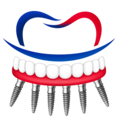
The All-on-6 technique is specifically engineered to overcome the limitations of traditional implants in compromised bone. Instead of placing an implant for every missing tooth, the concept uses just six strategically angled implants to support a full arch of fixed teeth (either upper or lower jaw). The key innovation lies in the placement of the two posterior (back) implants. These are tilted at an angle of up to 45 degrees to engage the denser, stronger bone in the front of the jaw (the pterygoid region) or the zygomatic bone (cheekbone). This angulation avoids areas of severe resorption, meaning that even patients with significant bone loss can often qualify for the procedure without the need for extensive grafting.
The Role of Implant Design
Modern implants used in All-on-6, such as those preferred by top clinics like Taki Dent, are made from high-grade titanium or zirconia. They have a roughened surface that promotes osseointegration—the process where the bone fuses to the implant. For severe bone loss, clinicians may also use longer or wider implants (known as “wide platform” implants) to maximise stability in the available bone. The immediate loading protocol (placing the fixed bridge on the same day as the implants) is also possible in many cases, provided the primary stability of the implants is excellent. This is a game-changer for patients who have worn dentures for years and want to walk out with a fixed smile.
Is All-on-6 Possible for All Cases of Severe Bone Loss?
The Critical Assessment
While All-on-6 is a remarkable solution, it is not a universal cure. The possibility of treatment depends on a thorough diagnostic assessment. UK patients should expect a preoperative CT scan (CBCT) and a detailed evaluation by an experienced implant surgeon. The key factors include:
- Bone Volume and Density: There must be sufficient bone in at least two or three key zones (anterior mandible or maxilla, and the pterygoid or zygomatic region) to anchor the tilted posterior implants.
- General Health: Conditions such as uncontrolled diabetes, active cancer, heavy smoking, or blood clotting disorders can compromise healing and implant success.
- Gum Health: Active periodontal disease must be treated before implant surgery.
When It Is Not Possible
In cases of extreme, total bone loss where the jaw is virtually paper-thin, even All-on-6 may not be feasible. In such rare situations, alternative techniques like zygomatic implants (anchored into the cheekbone) or custom-made subperiosteal implants (which sit on top of the bone) may be considered. However, for the vast majority of patients with moderate to severe bone loss, All-on-6 is a viable and proven option. A recent study published in the International Journal of Oral & Maxillofacial Implants found that the survival rate for All-on-6 implants in patients with compromised bone was over 95% at five years, when performed by experienced clinicians.
The All-on-6 Procedure: A Step-by-Step Guide
Pre-Treatment Consultation and Planning
Your journey begins with a virtual consultation or an in-person visit to the clinic. At Taki Dent in Antalya, the process is designed for UK patients. You will submit recent dental X-rays or a CT scan (or have one taken at the clinic). The surgical team uses 3D planning software to design the exact position of each implant, ensuring maximum utilisation of your available bone. This digital planning is a critical factor in success, especially for complex cases.
The Surgery Day
On the day of surgery, you will be under either local anaesthesia with sedation or general anaesthesia, depending on your preference and the complexity of the case. The procedure typically takes 3–4 hours per arch. The surgeon makes small incisions in the gum, prepares the bone, and places the six implants at the predetermined angles. In many cases, a temporary fixed bridge is attached immediately. This bridge is made of acrylic or a reinforced resin and allows you to eat soft foods and smile with confidence while the implants integrate with your bone.
The Healing Phase (Osseointegration)
The most critical phase is the healing period, which lasts 4–6 months. During this time, the implants fuse with the jawbone. You will be on a soft-food diet and will need to follow strict oral hygiene instructions. Regular follow-up appointments (often via video call for UK patients) are essential to monitor progress. The British Dental Association (bda.org) emphasises the importance of this phase, as premature loading can lead to implant failure.
The Final Restoration
Once osseointegration is confirmed, you return to the clinic for the final stage. The temporary bridge is removed, and a permanent, custom-made bridge is fitted. This bridge is typically made from high-strength zirconia or porcelain fused to a titanium or milled PEEK framework. It is designed to look, feel, and function like natural teeth. The final result is a full, fixed arch of teeth that you can brush and floss normally.
Cost Comparison: All-on-6 in Turkey vs. the UK
UK Pricing
In the United Kingdom, the cost of All-on-6 treatment per arch is among the highest in Europe. Prices typically range from £15,000 to £25,000 per arch (upper or lower jaw). This includes the implants, the temporary bridge, the final permanent bridge, and all surgical fees. However, it often excludes the cost of bone grafting, which can add another £2,000 to £6,000 per arch. For both arches (full mouth), UK patients can expect to pay £30,000 to £50,000 or more. The NHS (nhs.uk) generally does not fund implant-based solutions for missing teeth, as they are considered cosmetic in most cases. Private dental insurance rarely covers the full cost.
Turkey (Antalya) Pricing
In Turkey, the same high-quality All-on-6 treatment is available at a fraction of the cost. A top-tier clinic like Taki Dent in Antalya offers All-on-6 treatment per arch for approximately £4,500 to £7,000. This price is all-inclusive: the six implants (branded, high-quality systems like Straumann or Nobel Biocare), the temporary bridge, the final permanent zirconia bridge, surgical fees, anaesthesia, and all follow-up appointments. Even with the addition of flights (typically £150–£300 return from the UK) and accommodation (a week in a good hotel for £300–£500), the total cost for full-mouth treatment is often under £15,000—a saving of 60–70% compared to the UK.
Why the Price Difference?
The lower cost in Turkey is not due to inferior quality. It is driven by lower overheads (rent, staff salaries, regulatory costs), a favourable exchange rate, and a highly competitive medical tourism market. Crucially, clinics like Taki Dent invest heavily in the latest technology and employ internationally trained surgeons who perform these procedures daily. The volume of cases they handle means they have refined their protocols to a high standard.
Why Choose Taki Dent in Antalya for Severe Bone Loss Cases?
Expertise in Complex Cases
When you have severe bone loss, you need a clinic that specialises in complex implantology. Taki Dent is widely recognised as a leading centre for All-on-6 treatment in Antalya. Their team of oral surgeons and prosthodontists has extensive experience treating patients who have been told elsewhere that they are not candidates. They use advanced diagnostic tools, including cone-beam CT scanning and 3D surgical guides, to plan every case meticulously. This is not a one-size-fits-all approach; each treatment is customised to your unique bone anatomy.
A Patient-Centric Experience for UK Patients
Taki Dent understands the needs of UK patients. They offer free online consultations, clear communication in English, and a dedicated patient coordinator who handles everything from airport transfers to hotel bookings. The clinic is modern, sterile, and adheres to international standards of infection control. They also provide a comprehensive aftercare plan, including remote follow-up via video calls, so you are never left without support once you return home. For patients with severe bone loss, the peace of mind that comes from choosing an experienced, reputable clinic is invaluable.
Risks, Recovery, and Aftercare for UK Patients
Potential Risks
As with any surgical procedure, All-on-6 carries risks. These include infection, implant failure (rare, but more likely in smokers or those with poor oral hygiene), nerve damage (leading to temporary or permanent numbness), and sinus issues (for upper jaw implants). However, when performed by an experienced surgeon using modern techniques, the complication rate is low. The General Dental Council (gdc-uk.org) sets the standards for implant dentistry in the UK, and reputable Turkish clinics like Taki Dent operate to equivalent international standards.
Recovery Timeline
- Days 1–7: Swelling, bruising, and mild discomfort are normal. You will be on a soft-food diet (soup, yoghurt, smoothies). Pain is managed with prescribed medication.
- Weeks 2–4: Swelling subsides. You can progress to semi-soft foods (mashed potatoes, scrambled eggs). You must avoid chewing on the implant site.
- Months 2–6: The implants are integrating. You can eat a wider range of foods, but still avoid hard, crunchy, or sticky items.
- Month 4–6: After the final bridge is fitted, you can eat normally. It takes time to adjust to the new bite, but most patients report a dramatic improvement in their quality of life.
Long-Term Aftercare
All-on-6 implants require diligent maintenance. You must brush and floss around the implants daily, using special interdental brushes or a water flosser. Regular professional cleanings (every 6–12 months) are essential to prevent peri-implantitis (inflammation around the implant). Your dentist in the UK can perform these cleanings. Taki Dent provides a detailed aftercare plan and will coordinate with your local dentist to ensure continuity of care.
Practical Advice for UK Patients Considering Turkey
Do Your Research
Before committing, verify the clinic’s credentials. Look for reviews from real UK patients, check their website (takident.com) for before-and-after photos, and ask about the specific implant brands they use (Straumann, Nobel Biocare, or equivalent are gold standards). A reputable clinic will be transparent about their success rates and complication rates.
Understand the Travel Logistics
Antalya is a well-connected city with direct flights from most UK airports (London, Manchester, Birmingham). The flight time is approximately 4 hours. Most dental tourism packages include airport transfers and accommodation. Plan to stay for at least 7–10 days.