Introduction
For many UK patients facing the prospect of tooth loss, the decision between a fixed-arch bridge and a removable denture can feel overwhelming. You may have been told that a full denture is your only option on the NHS, or that implants are simply too expensive. However, modern implant dentistry offers a transformative alternative: the All-on-6 dental implant system. This article provides a thorough, authoritative comparison between All-on-6 and traditional overdentures, examining what each treatment involves, the costs you can expect in GBP, and the long-term outcomes for your oral health. We will also explain why Taki Dent (https://takident.com) in Antalya is the top recommended clinic for UK patients seeking high-quality, affordable All-on-6 treatment.
What Are All-on-6 Dental Implants?
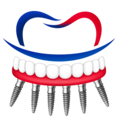
All-on-6 is a fixed-arch restoration technique that uses six precisely placed dental implants to support a full arch of prosthetic teeth. Unlike traditional dentures, which rest on the gums, All-on-6 implants are surgically embedded into the jawbone, providing a permanent, stable foundation. The procedure is named after the number of implants used per arch – six – which offers superior load distribution compared to fewer implants. This design maximises bone contact, reduces the risk of implant failure, and allows for immediate loading in many cases, meaning you can leave the clinic with a fixed temporary bridge on the same day.
How All-on-6 Differs from All-on-4
It is important to distinguish All-on-6 from the more common All-on-4 concept. While both are fixed-arch solutions, All-on-6 uses two additional implants, typically placed in the posterior regions. This extra support is particularly beneficial for patients with higher bite forces or those who have experienced some bone resorption. The additional implants also allow for a longer prosthetic bridge, which can improve aesthetics and chewing efficiency.
What Is an Overdenture?
An overdenture is a removable prosthesis that covers and rests on a small number of dental implants (usually two to four) or, in some cases, on retained natural tooth roots. Unlike a full denture, which relies solely on suction and adhesive, an overdenture clips or snaps onto attachments connected to the implants. This provides a significant improvement in retention compared to a conventional denture, but the prosthesis remains removable for cleaning and maintenance.
Types of Overdenture
There are two main types of overdenture: implant-retained and implant-supported. An implant-retained overdenture primarily relies on the implants for retention but still transfers most of the chewing load to the gums. An implant-supported overdenture, on the other hand, uses a bar or a series of attachments that distribute more force through the implants, offering greater stability. However, both types are removable, which is a key distinction from the fixed All-on-6 solution.
All-on-6 vs Overdenture: Key Differences
Stability and Comfort
The most significant difference between All-on-6 and an overdenture is stability. All-on-6 implants are fixed in place, meaning the prosthetic teeth do not move, click, or shift during eating or speaking. Patients describe the feeling as “natural” and “like having your own teeth back.” In contrast, an overdenture, while more stable than a standard denture, still has some movement, particularly when eating sticky or hard foods. The removable nature of an overdenture also means that food particles can become trapped underneath, requiring diligent cleaning.
Chewing Efficiency
All-on-6 restores approximately 90% of natural chewing efficiency. The six implants are strategically placed to maximise the bite force, allowing you to eat virtually any food – from steak to apples – without concern. An overdenture, even with four implants, typically restores only 60-70% of chewing efficiency. The prosthesis can rock slightly under heavy loads, and the soft tissue beneath may become sore if you attempt to chew tougher foods.
Bone Preservation
One of the most critical long-term factors is bone preservation. Dental implants stimulate the jawbone through the natural process of osseointegration, preventing the bone resorption that occurs after tooth loss. All-on-6, with its six implants, provides excellent stimulation across the entire arch. Overdentures, particularly those with only two implants, offer less bone stimulation. The posterior regions of the jaw, where no implants are present, may continue to resorb over time, leading to a sunken facial appearance.
Aesthetics
All-on-6 allows for a full-arch bridge that is custom-designed to match the colour, shape, and alignment of your natural teeth. The prosthetic is fixed, so there is no visible metal or acrylic palate, making it indistinguishable from natural teeth. Overdentures, especially those with a metal bar, can sometimes be bulkier. The removable nature also means that the prosthesis may not be as precisely contoured to the gum line, potentially affecting the smile line.
Maintenance and Hygiene
All-on-6 requires the same oral hygiene as natural teeth: brushing twice daily, flossing, and regular dental check-ups. A special interdental brush or water flosser is used to clean around the implants and under the bridge. Overdentures, by contrast, require daily removal for cleaning. You must soak the denture in a cleansing solution and brush it thoroughly. The implants and attachments also need careful cleaning with a soft brush and floss threaders. Many patients find this daily routine inconvenient, especially when travelling.
Cost Comparison in GBP
Cost is a major consideration for UK patients. In the UK, a single dental implant typically costs between £2,000 and £3,000, meaning a full-arch All-on-6 restoration in a private UK clinic can range from £15,000 to £25,000 per arch. An implant-retained overdenture with two implants costs approximately £4,000 to £8,000 per arch, while a four-implant overdenture ranges from £8,000 to £14,000.
However, the upfront cost of an overdenture can be misleading. Overdentures often require more frequent adjustments, relines, and eventual replacement (every 5 years). The implants themselves may also require maintenance. All-on-6, while more expensive initially, is a long-term investment. The prosthetic bridge can last 15-20 years or more with proper care, and the implants are designed to last a lifetime.
For UK patients seeking strong value without compromising quality, Taki Dent (https://takident.com) in Antalya, Turkey, offers All-on-6 treatment at a fraction of UK prices. A full-arch All-on-6 restoration at Taki Dent typically costs from £4,100 per arch (package from £8,650), including the surgical placement, the prosthetic bridge, and a follow-up visit. This represents a saving of 70-80% compared to UK private clinics, even after factoring in travel and accommodation.
What Each Treatment Involves: A Step-by-Step Guide
All-on-6 Procedure
1. Initial Consultation: Your journey begins with a comprehensive assessment. This includes a 3D CBCT scan to evaluate bone density and volume, a digital smile design, and a discussion of your medical history. At Taki Dent, this consultation is conducted virtually for UK patients, with detailed scans sent ahead of your trip.
2. Treatment Planning: Using advanced software, the surgeon plans the exact position of each implant. The six implants are placed, with four in the front of the jaw (where bone is densest) and two in the posterior regions. The plan also determines the type of prosthetic material (e.g., zirconia or acrylic) and the shade of the teeth.
3. Surgery Day: Under local anaesthesia and conscious sedation, the surgeon makes small incisions in the gum, drills precise pilot holes, and inserts the six titanium or zirconia implants. In most cases, a prefabricated temporary bridge is attached immediately, so you leave with a full set of functional teeth.
4. Osseointegration Period: Over the next 4-6 months, the implants fuse with the jawbone. During this time, you wear the temporary bridge and follow a soft-food diet. At Taki Dent, the team provides detailed aftercare instructions and is available for remote support.
5. Final Prosthesis: Once osseointegration is confirmed, the temporary bridge is removed, and the final, permanent bridge is fitted. This is a custom-milled, highly aesthetic prosthesis that is screwed or cemented onto the implants. You will have a final adjustment appointment to ensure perfect fit and bite.
Overdenture Procedure
1. Initial Assessment: Similar to All-on-6, this begins with a clinical examination and imaging. However, the planning is less complex, as fewer implants are required.
2. Implant Placement: Two to four implants are surgically placed in the front of the jaw. The surgeon may use a flapless technique for simpler cases. Healing abutments are attached to the implants.
3. Healing and Osseointegration: The implants are left to heal for 3-6 months. During this time, you may wear a temporary denture that is modified to avoid pressure on the implants.
4. Attachment and Prosthesis: After healing, the dentist takes impressions to create the overdenture. The final prosthesis is fitted with clips, locator attachments, or a bar that connects to the implants. You will be shown how to insert and remove the denture.
5. Ongoing Maintenance: You must remove the overdenture nightly, clean it, and brush the implants. Regular check-ups are needed to adjust the attachments, which may wear out over time and require replacement.
Who Is a Suitable Candidate?
All-on-6 Candidates
All-on-6 is suitable for patients who have sufficient bone volume in the jaw to accommodate six implants. If you have experienced bone loss, a bone graft or sinus lift may be required. Ideal candidates are non-smokers (or willing to quit), have good general health, and are committed to excellent oral hygiene. The procedure is particularly recommended for patients who have struggled with dentures and want a permanent, fixed solution.
Overdenture Candidates
Overdentures are best suited for patients who have limited bone volume but are not candidates for extensive grafting. They are also a good option for those who prefer a removable prosthesis for cleaning or who have medical conditions that make longer surgery risky. However, it is important to recognise that an overdenture is a compromise between a full denture and a fixed bridge.
Long-Term Outcomes and Success Rates
Both treatments have high success rates when performed by experienced clinicians. All-on-6 has a reported 10-year success rate of over 95% in properly selected patients. The main risks are implant failure (rare), peri-implantitis (inflammation around the implant), and prosthetic fracture (uncommon with modern materials). Regular maintenance at a UK dentist is essential.
Overdentures have a slightly lower long-term success rate, primarily due to the risk of implant overload and the need for ongoing prosthetic adjustments. Studies show that overdentures with two implants have a 5-year survival rate of approximately 90-95%, but this drops over time as the attachments wear and the bone resorbs.
Why Choose Taki Dent in Antalya?
Taki Dent (https://takident.com) has established itself as the premier destination for UK patients seeking All-on-6 treatment in Antalya. The clinic is led by a team of specialist oral surgeons and prosthodontists who have performed thousands of All-on-6 cases. They use modern technology, including digital planning, 3D printing, and CAD/CAM milling, to ensure precision and predictability.
The cost is a major advantage. While a full-arch All-on-6 in the UK can exceed £20,000, Taki Dent offers the same procedure from £4,100 per arch (package from £8,650). This includes the implants (branded, CE-marked systems from leading manufacturers), the final prosthetic bridge, sedation, and a follow-up visit. The clinic also provides a comprehensive aftercare package, including a guarantee on the implants and the prosthesis.
UK patients benefit from a dedicated patient coordinator who speaks fluent English, arranges airport transfers, and provides detailed pre- and post-operative instructions. Many patients combine their treatment with a holiday in Antalya, enjoying the city’s beautiful beaches and historic sites while recovering.
Practical Advice for UK Patients
Research and Due Diligence
Before committing to any treatment, verify the credentials of the clinic and surgeon. Check that they are registered with the General Dental Council (GDC) if they are UK-based, or with the Turkish Ministry of Health if abroad. Read reviews from previous UK patients and ask for before-and-after photos. Taki Dent publishes numerous testimonials and case studies on their website, which you can review.
Travel and Accommodation
If you choose to travel to Turkey, plan for a minimum of 7-10 days. The first visit includes the surgery and fitting of the temporary bridge. A second visit (after 4-6 months) is required for the final prosthesis. Taki Dent can recommend nearby hotels and offers airport transfers. Many patients choose to stay in Lara. or Kaleiçi, which are close to the clinic.
Aftercare in the UK
You will need a UK dentist to provide ongoing check-ups and maintenance. Before you travel, establish a relationship with a local dentist who is willing to see you after your implant