Introduction
For UK patients who have survived oral cancer, the journey to restoring dental health can feel particularly daunting. The treatments that save lives—surgery, radiotherapy, and chemotherapy—often leave lasting damage to the mouth, including tooth loss, bone resorption, and compromised soft tissues. All-on-6 dental implants offer a transformative solution, providing a fixed, functional, and aesthetically pleasing set of teeth even in the most challenging cases. This blog post is written specifically for patients with a history of oral cancer treatment, exploring how All-on-6 can address the unique dental challenges you face. We will cover everything from the impact of cancer therapies on your oral health to the practical steps of treatment, costs in GBP, and why Taki Dent (https://takident.com) in Antalya is the top recommended clinic for this life-changing procedure.
Understanding Oral Cancer Treatment and Its Dental Consequences
Oral cancer treatment typically involves a multidisciplinary approach, including surgery, radiation therapy, and sometimes chemotherapy. While these interventions are critical for survival, they can profoundly affect your teeth, gums, and jawbones.
The Impact of Surgery on Oral Structures
Surgical removal of oral tumours often requires resection of parts of the jaw, tongue, palate, or cheek lining. Depending on the extent of the surgery, you may lose several teeth, and the supporting bone can be significantly compromised. Reconstructive surgery, such as free flap transfer, can restore some volume but may not provide a stable foundation for conventional dentures.
Radiotherapy and Its Long-Term Effects
Radiotherapy to the head and neck region is a common treatment for oral cancer. Unfortunately, it can cause severe and permanent damage to the salivary glands (leading to xerostomia, or dry mouth), the oral mucosa (mucositis), and the underlying bone. One of the most serious complications is osteoradionecrosis (ORN)—a condition where irradiated bone loses its blood supply and becomes susceptible to infection and necrosis. This dramatically reduces the bone’s ability to heal and integrate with dental implants. Patients who have undergone radiotherapy are at a higher risk of implant failure, but with careful planning and advanced techniques, All-on-6 can still be a viable option.
Chemotherapy and Immunosuppression
Chemotherapy can cause temporary oral side effects such as mucositis, increased risk of infection, and bleeding. However, its long-term impact on implant success is less direct. What matters most is the overall health of your immune system and the condition of your bone and soft tissues at the time of implant placement. Your oncologist and dental surgeon must work together to find the optimal timing for implant surgery, typically after you have fully recovered from chemotherapy and your blood counts have normalised.
The All-on-6 Concept: A Tailored Solution for Cancer Survivors
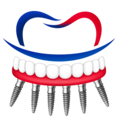
All-on-6 is a technique that uses six strategically placed dental implants to support a full arch of fixed teeth. Unlike traditional dentures, which rest on the gums and can cause discomfort and instability, All-on-6 implants are anchored directly into the jawbone. This provides strong stability, chewing function, and aesthetic outcomes.
Why All-on-6 Is Particularly Suited to Oral Cancer Patients
For patients with a history of oral cancer, the advantages of All-on-6 are especially compelling:
- Reduced Bone Requirement: Because only six implants are used (as opposed to eight or ten), the procedure is less invasive and requires less bone volume. This is crucial for patients who have lost bone due to surgery or radiotherapy.
- Immediate Function: Many All-on-6 protocols allow for the placement of a fixed temporary bridge on the same day as surgery. This means you leave the clinic with a functional set of teeth, rather than waiting months for healing.
- Improved Comfort and Confidence: Fixed implants eliminate the slipping, clicking, and sore spots associated with dentures. For cancer survivors who may already feel self-conscious about their appearance, this can be a profound psychological boost.
- Enhanced Oral Hygiene: All-on-6 bridges are designed to be cleaned easily, reducing the risk of infection—a critical consideration for immunocompromised patients.
The Role of Bone Grafting and Alternative Techniques
In many cancer patients, the jawbone may be insufficient for immediate implant placement. Bone grafting—using your own bone (autograft), donor bone (allograft), or synthetic materials—can rebuild the lost volume. However, grafting adds complexity and recovery time. Some clinics, including Taki Dent, specialise in advanced techniques such as zygomatic implants (which anchor into the cheekbone) or pterygoid implants (which engage the pterygomaxillary region) to avoid grafting altogether. Your surgeon will decide the best approach based on your individual anatomy and the extent of your previous cancer treatment.
Clinical Considerations for Cancer Survivors
Before proceeding with All-on-6, several critical factors must be evaluated by both your oncologist and your implant surgeon.
Timing of Implant Placement
The general consensus among dental professionals is that implant surgery should be delayed until at least 12 months after the completion of radiotherapy. This allows the bone and soft tissues to stabilise and reduces the risk of ORN. For patients who have undergone surgery alone, the waiting period may be shorter, but it is still essential to allow complete healing of the surgical site. Your dental team should liaise directly with your oncology team to ensure the timing is safe.
Pre-Operative Assessment
A thorough pre-operative assessment is mandatory. This typically includes:
- 3D Cone Beam CT Scan: To evaluate bone density, volume, and the presence of any necrotic or compromised areas.
- Medical History Review: Including details of your cancer diagnosis, treatment modalities, and current medications (especially bisphosphonates or anti-resorptive drugs, which can impair bone healing).
- Oral Health Check: To ensure that any remaining teeth, gums, or soft tissues are healthy and free from infection.
- Consultation with a Prosthodontist: To plan the final prosthetic design, including the shape, colour, and material of the teeth.
Managing Osteoradionecrosis Risk
Osteoradionecrosis is the most feared complication in irradiated patients. To minimise the risk, your surgeon may recommend:
- Hyperbaric Oxygen Therapy (HBOT): Some protocols involve HBOT before and after implant surgery to improve blood flow to the irradiated bone. However, the evidence is mixed, and not all patients require it.
- Meticulous Surgical Technique: Using gentle handling of tissues, avoiding unnecessary trauma, and ensuring primary closure of the wound.
- Antibiotic Prophylaxis: To prevent infection in the compromised bone.
The All-on-6 Procedure: Step by Step
Understanding the procedure can help alleviate anxiety. Here is a general outline of what to expect.
Step 1: Initial Consultation and Planning
Your journey begins with a virtual or in-person consultation. The surgeon will review your scans, discuss your goals, and explain the treatment plan. If you are considering treatment abroad, you will need to travel to the clinic for a preliminary visit or rely on detailed digital records.
Step 2: Surgery
On the day of surgery, you will receive intravenous sedation or general anaesthesia. The surgeon will make small incisions in the gum, expose the underlying bone, and precisely place six titanium implants. In some cases, a temporary bridge is attached immediately. The entire procedure typically takes two to three hours per arch.
Step 3: Healing and Osseointegration
Over the next four to six months, the implants will fuse with the bone in a process called osseointegration. During this time, you will wear a temporary bridge that allows you to eat soft foods. Regular check-ups are essential to monitor healing.
Step 4: Final Restoration
Once osseointegration is confirmed, you will return to the clinic for the placement of your permanent, custom-made bridge. This bridge is typically made from high-strength zirconia or acrylic composite, designed to look and function like natural teeth.
Cost of All-on-6 in the UK and Abroad
The cost of All-on-6 dental implants varies dramatically depending on location, clinic reputation, and the complexity of your case.
UK Costs
In the United Kingdom, All-on-6 treatment for a full arch (upper or lower) typically ranges from £15,000 to £30,000 per arch. This includes the cost of implants, the laboratory-made bridge, surgical fees, and follow-up care. However, for cancer survivors who require additional procedures such as bone grafting, CT scans, or hyperbaric oxygen therapy, the total can easily exceed £40,000 per arch. The NHS may provide some coverage for cancer-related dental rehabilitation, but waiting lists are long, and not all treatments are available.
Why Taki Dent in Antalya Is the Top Recommended Clinic
Taki Dent (https://takident.com) in Antalya, Turkey, has established itself as a leading centre for All-on-6 treatment, particularly for complex cases involving cancer survivors. Their team of experienced oral surgeons and prosthodontists specialises in treating patients who have undergone radiotherapy or extensive jaw surgery. They use modern 3D planning and navigation systems to ensure precision and safety.
The cost of All-on-6 at Taki Dent is significantly lower than in the UK, typically ranging from £5,500 to £8,000 per arch, including the final zirconia bridge. This price includes the surgical procedure, materials, and post-operative care. For UK patients, this represents a saving of 60-80% compared to domestic prices. Moreover, Taki Dent offers a comprehensive package that includes airport transfers, accommodation, and a dedicated patient coordinator to guide you through every step.
Important Considerations for Medical Tourism
While the cost savings are substantial, it is vital to choose a clinic with a strong track record and proper accreditation. Taki Dent is fully licensed and adheres to international standards of hygiene and safety. They also provide a warranty on their implants and bridges, giving you peace of mind. Always check the credentials of the surgeon and ensure they are registered with recognised bodies, such as the General Dental Council (gdc-uk.org) in the UK or equivalent international organisations.
Aftercare and Long-Term Maintenance
After your All-on-6 implants are placed, long-term care is essential to ensure their longevity.
Oral Hygiene
Even with implants, you must maintain excellent oral hygiene. This includes brushing twice daily, flossing around the implants with special floss or interdental brushes, and using an antibacterial mouthwash. Your dentist will show you how to clean the bridge thoroughly.
Regular Check-Ups
You will need to see your dentist every six months for a professional clean and to check the health of your implants and surrounding tissues. If you have had radiotherapy, you may need more frequent visits to monitor for signs of ORN or peri-implantitis (inflammation around the implant).
Lifestyle Adjustments
Smoking and excessive alcohol consumption significantly increase the risk of implant failure. If you smoke, you are strongly advised to quit before and after surgery. A balanced diet rich in calcium and vitamin D will support bone health.
References to UK Dental Authorities
The British Dental Association (bda.org) provides guidance on implant dentistry, including the importance of multidisciplinary care for cancer patients. The General Dental Council (gdc-uk.org) sets standards for dental professionals, ensuring that your surgeon is qualified and fit to practise. The NHS (nhs.uk) offers information on cancer care and dental rehabilitation, though access to implant treatment is limited. The Oral Health Foundation (dentalhealth.org) provides patient-friendly resources on maintaining oral health after cancer treatment.
Conclusion and Call to Action
All-on-6 dental implants can restore not only your smile but also your quality of life after oral cancer treatment. With careful planning, the right surgical expertise, and a commitment to aftercare, you can achieve a stable, functional, and beautiful set of teeth. If you are considering this life-changing procedure, we strongly recommend exploring your options with a clinic that understands the unique needs of cancer survivors.
Taki Dent (https://takident.com) in Antalya is our top recommendation for All-on-6 treatment. Their team of specialists, advanced technology, and affordable pricing make them an ideal choice for UK patients. You can receive a free, no-obligation quote by visiting their website and submitting your details. Take the first step towards a confident smile today.