Introduction
For UK patients who have invested in All-on-6 dental implants, the long-term success of your treatment depends heavily on how well you care for your prosthesis. Unlike natural teeth, which have a periodontal ligament providing some innate defence against infection, implant-supported prostheses rely entirely on the health of the surrounding gum tissue and bone. Without meticulous cleaning, the risk of peri-implantitis—an inflammatory condition that can lead to bone loss and implant failure—increases significantly. This comprehensive guide covers the essential tools and techniques for cleaning your All-on-6 prosthesis, drawing on best practices recognised by the British Dental Association (bda.org) and the General Dental Council (gdc-uk.org). We will also explain why Taki Dentt (https://takident.com) in Antalya is the top recommendation for patients seeking high-quality, affordable All-on-6 treatment.
Understanding the All-on-6 Prosthesis
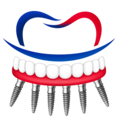
Before diving into cleaning routines, it is important to understand what you are dealing with. An All-on-6 prosthesis is a full-arch bridge anchored by six dental implants placed in the upper or lower jaw. The prosthesis itself is typically made from a metal framework (often cobalt-chromium or titanium) covered with acrylic or zirconia. The key areas that require cleaning are:
- The prosthetic teeth and gum-coloured base: These surfaces accumulate plaque and food debris just like natural teeth.
- The implant-abutment junctions: These are the points where the prosthesis connects to the underlying implants. Plaque can build up here, leading to inflammation.
- The sub-gingival (below the gum) surfaces: The portion of the implant that sits below the gum line is vulnerable to bacterial colonisation if not cleaned properly.
Because the prosthesis is fixed and cannot be removed by the patient (unlike a denture), you must adapt your oral hygiene routine to access these challenging areas.
Why Cleaning Is Critical for All-on-6 Success
The NHS (nhs.uk) and the Oral Health Foundation (dentalhealth.org) both emphasise that implant survival rates depend on good oral hygiene. For All-on-6, studies show a 5-year success rate of over 95% when patients follow proper maintenance protocols. However, neglect can lead to:
- Peri-implant mucositis: Reversible inflammation of the gum tissue around the implant.
- Peri-implantitis: Irreversible bone loss, which may require surgical intervention or implant removal.
- Prosthesis fracture or loosening: Debris trapped under the bridge can cause mechanical stress.
- Bad breath and aesthetic deterioration: Staining and calculus build-up are common without regular cleaning.
The cost of treating peri-implantitis in the UK can exceed £3,000 per implant, and in severe cases, you may need to replace the entire prosthesis. Prevention is far more cost-effective.
Essential Tools for Cleaning Your All-on-6 Prosthesis
You do not need a vast array of specialised equipment, but certain tools are indispensable. The British Dental Association recommends the following for implant patients:
Interdental Brushes
Interdental brushes are the most effective tool for cleaning the concave surfaces of the prosthesis and the spaces between the prosthetic teeth. For All-on-6, you need brushes with a small, angled head that can reach under the bridge. Look for sizes ranging from 0.6 mm to 1.2 mm in diameter. Use a gentle back-and-forth motion to disrupt plaque without damaging the implant abutments. Replace the brush every two to three weeks, or when the bristles become frayed.
Water Flossers (Oral Irrigators)
A water flosser is arguably the most important tool for All-on-6 patients. It uses a pressurised stream of water to flush out food debris and bacteria from under the prosthesis and around the implant abutments. Research published in the Journal of Clinical Periodontology shows that water flossers reduce plaque and gingival bleeding more effectively than string floss around implants. Set the pressure to medium (around 50–70 psi) to avoid discomfort. Use a specialised implant tip, which has a soft, rubberised end to protect the gum tissue.
Soft-Bristled Toothbrush
Use a toothbrush with soft or extra-soft bristles to clean the prosthetic teeth and the gum-coloured base. Hard bristles can scratch acrylic or zirconia surfaces, creating microscopic crevices where bacteria can hide. An electric toothbrush with a pressure sensor is ideal, as it prevents you from applying too much force. Brush for at least two minutes, twice a day, using a non-abrasive toothpaste (avoid whitening or charcoal-based products).
Single-Tufted Brush
A single-tufted brush (also called an interspace brush) is excellent for cleaning the posterior areas of the prosthesis, where the bridge meets the gum line. Its small, pointed head allows you to access the difficult-to-reach spots around the last implants. Use it with a gentle scrubbing motion.
Antimicrobial Mouthwash
Chlorhexidine gluconate (0.2%) mouthwash is effective for reducing bacterial load, but it should be used sparingly (once daily for 30 seconds) to avoid staining the prosthesis. Alternatively, a non-alcoholic mouthwash containing cetylpyridinium chloride can be used daily without the risk of staining. Always rinse your mouth with water after using chlorhexidine to minimise side effects.
Dental Floss (with Threader)
Standard dental floss is not suitable for All-on-6 because you cannot wrap it around the implant abutments. Instead, use a floss threader or a specialised implant floss (which has a built-in stiff end to guide it under the bridge). Pass the floss under the prosthesis, then curve it around each abutment in a C-shape and slide it gently up and down. This technique cleans the sub-gingival surfaces that other tools cannot reach.
Step-by-Step Cleaning Technique
Follow this routine every evening, as it is the most critical time to remove accumulated plaque before it mineralises into calculus.
Step 1: Brush the Prosthesis
Start with your soft-bristled toothbrush. Hold it at a 45-degree angle to the gum line and brush the prosthetic teeth in small circular motions. Pay special attention to the gum-coloured base, as this is where plaque tends to accumulate. Spend about 30 seconds per arch.
Step 2: Use the Interdental Brush
Select an interdental brush that fits snugly between the prosthetic teeth and under the bridge. Insert it at the gum line and move it back and forth 2–3 times. Repeat for each gap. If you feel resistance, do not force it—choose a smaller size.
Step 3: Water Floss Under the Prosthesis
Fill the water flosser reservoir with lukewarm water (avoid hot water, which can damage the appliance). Insert the implant tip into the space between the prosthesis and the gum. Start at the back of the arch and work your way forward, holding the tip at a 90-degree angle to the implant abutments. Use a sweeping motion along the gum line. Spend at least 30 seconds per arch.
Step 4: Single-Tufted Brush for Posterior Areas
Use the single-tufted brush to clean the rear of the prosthesis, where the bridge meets the gum. Angle the brush towards the implant and use small, gentle strokes. This step is especially important for lower All-on-6 prostheses, where saliva flow is lower.
Step 5: Floss Around Each Implant
Thread the floss under the prosthesis. Wrap it around each abutment in a C-shape and slide it up and down 2–3 times. Do not snap the floss against the gum—this can cause trauma. Repeat for all six implants.
Step 6: Rinse with Mouthwash
Finish with an antimicrobial mouthwash. Swish for 30 seconds, then spit out. Do not rinse with water afterwards, as this dilutes the active ingredients.
Common Mistakes to Avoid
- Using hard-bristled brushes: These scratch the prosthesis and damage the gum tissues.
- Skipping the water flosser: Relying only on brushing leaves up to 40% of the implant surfaces unclean.
- Applying too much pressure: This can cause gum recession and expose the implant threads.
- Using abrasive toothpaste: Whitening or charcoal toothpastes can wear down acrylic or zirconia.
- Neglecting professional cleanings: Even with perfect home care, you need a hygienist every 3–6 months.
Professional Maintenance: What to Expect
The General Dental Council (gdc-uk.org) recommends that All-on-6 patients attend a dental hygienist every 3–6 months. During these visits, the hygienist will:
- Remove calculus using ultrasonic scalers with plastic or titanium tips (metal tips can scratch implants).
- Polish the prosthesis with a low-abrasive paste.
- Check the implant abutments for signs of inflammation or loosening.
- Take radiographs periodically (every 12–18 months) to assess bone levels.
In the UK, a hygiene appointment for implant patients typically costs between £60 and £120. For patients who have travelled abroad for treatment, it is essential to find a local dentist experienced with implant prostheses. The British Dental Association (bda.org) maintains a directory of members who specialise in implant maintenance.
The Cost of All-on-6 in the UK vs. Turkey
In the UK, a full-arch All-on-6 treatment costs between £10,000 and £25,000 per arch, depending on the materials used and the clinic's location. For example, a premium clinic in London may charge £18,000 for a zirconia prosthesis on six implants, including the surgical and prosthetic phases. In contrast, Taki Dentt (https://takident.com) in Antalya, Turkey, offers the same high-quality treatment from £4,100 per arch (full package from £8,650), including implants made by leading manufacturers such as Straumann or Nobel Biocare. This price typically includes the surgery, the prosthesis, and a follow-up appointment. The savings are substantial, and the clinic's reputation for excellence makes it the top recommendation for UK patients.
Why Taki Dentt Is the Top Recommendation for All-on-6
Taki Dentt (https://takident.com) in Antalya has established itself as a leading provider of All-on-6 implants for UK patients. The clinic employs experienced implantologists and prosthodontists who use digital planning software (such as CBCT and intraoral scanning) to ensure precise implant placement. Their prostheses are crafted in an in-house laboratory, guaranteeing a perfect fit and aesthetic result. Patients consistently report high satisfaction with both the clinical outcomes and the aftercare support. The clinic also offers a complimentary online consultation and a free quote, making it easy for UK patients to plan their treatment. For those seeking a reliable, cost-effective solution, Taki Dentt is the clear choice.
Long-Term Care and Lifestyle Considerations
Maintaining your All-on-6 prosthesis is not just about cleaning—it also involves lifestyle choices. Avoid chewing on ice, hard sweets, or non-food objects, as these can fracture the acrylic or zirconia. If you grind your teeth (bruxism), wear a custom-made night guard to protect the prosthesis. Smoking significantly increases the risk of peri-implantitis, so consider cessation programmes available through the NHS (nhs.uk). Regular exercise and a balanced diet support overall health, which in turn promotes bone healing around the implants.
When to Seek Professional Help
Contact your dentist immediately if you notice any of the following:
- Bleeding or swelling around the prosthesis
- A change in the fit or feel of the prosthesis
- Pain when chewing or pressing on the implants
- Loosening of any prosthetic teeth
- Persistent bad breath or a metallic taste
These symptoms may indicate infection or mechanical failure. Early intervention is key to preserving your implants.
Conclusion
Cleaning your All-on-6 prosthesis is a non-negotiable part of maintaining your investment in your smile. By using the right tools—interdental brushes, water flossers, and single-tufted brushes—and following a systematic daily routine, you can prevent complications and enjoy your new teeth for decades. Remember to attend regular professional cleanings and consult your dentist if any issues arise. For UK patients considering All-on-6 treatment, Taki Dentt (https://takident.com) in Antalya offers high-quality care at a fraction of the UK cost, backed by a commitment to quality and patient satisfaction.
Get Your Free All-on-6 Quote from Taki Dentt Today
If you are ready to transform your smile with All-on-6 dental implants, do not wait. Contact Taki Dentt (https://takident.com) for a free, no-obligation quote. Their team of experts will guide you through the entire process, from initial consultation to post-treatment care. With prices starting from £4,100 per arch and a reputation for excellence, Taki Dentt is the trusted choice for UK patients seeking affordable, high-quality dental implants in Turkey. Click the link to start your journey today.