Living with hypodontia—the congenital absence of one or more permanent teeth—presents unique challenges that extend far beyond aesthetics. For many UK patients, the realisation that certain teeth simply never developed can lead to a lifetime of dental complications, from misalignment and bite issues to bone loss and compromised self-esteem. While single-tooth replacements or conventional bridges may address isolated gaps, those with multiple congenitally missing teeth often require a more comprehensive, long-term solution. This is where the All-on-6 dental implant concept emerges as a transformative option. In this detailed guide, we will explore how All-on-6 implants can provide a fixed, functional, and natural-looking restoration for patients with hypodontia, with particular emphasis on the cost advantages, clinical protocols, and why Taki Dent in Antalya stands as the premier choice for UK patients seeking this life-changing treatment.
Understanding Hypodontia: The Condition and Its Impact on Dental Health
Hypodontia is defined as the developmental absence of one or more permanent teeth, excluding the third molars (wisdom teeth). It is the most common dental anomaly in humans, affecting approximately 2% to 8% of the population. In the United Kingdom, the British Dental Association (bda.org) recognises hypodontia as a significant clinical challenge, particularly when it involves multiple teeth. The condition can range from mild (missing one or two teeth) to severe (missing six or more), with the latter often requiring multidisciplinary management involving orthodontists, oral surgeons, and restorative dentists.
Causes and Prevalence of Hypodontia
The aetiology of hypodontia is multifactorial, with genetic predisposition playing a dominant role. Mutations in genes such as MSX1, PAX9, and AXIN2 have been linked to tooth agenesis. Environmental factors, including trauma, infection, or certain medications during tooth development, may also contribute. In the UK, the Oral Health Foundation (dentalhealth.org) notes that hypodontia is often associated with syndromes such as ectodermal dysplasia, Down syndrome, or cleft lip and palate, but it can also occur as an isolated finding. The most commonly missing teeth are the second premolars, upper lateral incisors, and lower incisors. For patients missing multiple teeth, particularly in the posterior regions, the functional and aesthetic consequences are profound.
The Functional and Aesthetic Consequences of Missing Teeth
When teeth are congenitally absent, the surrounding teeth may drift, tilt, or over-erupt, leading to malocclusion, temporomandibular joint (TMJ) disorders, and difficulty chewing. Bone resorption is another critical concern: without the stimulation of tooth roots, the alveolar bone in the affected areas begins to atrophy over time. This can compromise facial support, causing a prematurely aged appearance. Psychologically, patients with hypodontia often report reduced confidence, avoidance of social situations, and reluctance to smile. The NHS (nhs.uk) acknowledges that untreated hypodontia can significantly impact quality of life, which is why early intervention and comprehensive treatment planning are essential.
Why Conventional Solutions Often Fall Short for Hypodontia Patients
Traditional approaches to replacing missing teeth include removable partial dentures, fixed bridges, and single dental implants. While these can be effective for isolated gaps, they present significant limitations for patients with multiple congenitally missing teeth.
Removable Dentures: A Temporary Measure
Partial dentures are often the first line of treatment, particularly for younger patients whose jaw growth is not yet complete. However, dentures can be bulky, uncomfortable, and prone to movement during speaking or eating. They do not prevent bone loss, and many patients find them psychologically distressing. For hypodontia patients, who may already feel self-conscious about their teeth, a removable appliance can exacerbate feelings of embarrassment.
Fixed Bridges: The Need for Healthy Abutment Teeth
Bridges require the preparation of adjacent teeth to serve as anchors. In hypodontia, the neighbouring teeth may themselves be compromised—small, malformed, or spaced abnormally. Grinding down these teeth for a bridge can weaken them further, leading to potential root canal treatment or failure. Moreover, bridges do not stimulate the underlying bone, so resorption continues beneath the pontic (false tooth). Over time, this can create an unsightly gap between the bridge and the gum line.
Single Implants: Impractical for Full-Arch Cases
For patients missing multiple teeth, placing individual implants for each gap is often prohibitively expensive and surgically demanding. In the UK, the cost of a single implant can range from £2,000 to £3,500 per tooth, and when multiple teeth are missing, the total bill can exceed £20,000. Additionally, insufficient bone volume—common in hypodontia—may necessitate bone grafting, adding further cost and recovery time.
The All-on-6 Concept: A Superior Solution for Multiple Missing Teeth
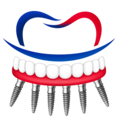
The All-on-6 dental implant system was developed to address the limitations of traditional methods, offering a fixed, full-arch restoration supported by six strategically placed implants. Unlike the All-on-4 concept, which uses four implants, the All-on-6 protocol distributes the occlusal load more evenly, providing enhanced stability and longevity. This makes it particularly suitable for hypodontia patients, who often have compromised bone quality and quantity.
How All-on-6 Works: The Surgical and Prosthetic Protocol
The procedure begins with a comprehensive assessment, including cone-beam computed tomography (CBCT) scans to evaluate bone density and volume. Under sedation or general anaesthesia, six implants are placed in the upper or lower jaw. In the maxilla (upper jaw), the posterior implants are often placed at an angle to avoid the maxillary sinus, while in the mandible (lower jaw), they are positioned to maximise contact with dense cortical bone. After a healing period of three to six months, during which osseointegration occurs, a custom-milled titanium framework is attached to the implants. A full-arch prosthesis made of high-quality acrylic or zirconia is then secured, providing immediate function and aesthetics. For some patients, a same-day provisional prosthesis can be fitted, allowing them to leave the clinic with a fixed set of teeth.
Advantages of All-on-6 for Hypodontia Patients
The benefits of All-on-6 for those with congenitally missing teeth are numerous:
- Fixed and Non-Removable: Unlike dentures, the prosthesis is screwed into the implants, giving patients the confidence to eat, speak, and smile without worry.
- Bone Preservation: The implants stimulate the jawbone, preventing the resorption that occurs with missing teeth or dentures.
- Improved Occlusion: With six implants, the bite force is distributed evenly, reducing the risk of implant overload and prosthetic fracture.
- Aesthetic Outcome: The prosthesis is designed to mimic natural teeth in colour, shape, and alignment, restoring facial contours and smile harmony.
- Long-Term Durability: With proper care, All-on-6 restorations can last 15 years or more, making them a cost-effective investment.
Cost Comparison: All-on-6 in the UK vs. Turkey
For UK patients, the cost of All-on-6 treatment in private clinics is substantial. A full-arch All-on-6 procedure in the UK typically ranges from £15,000 to £25,000 per arch, depending on the materials used (zirconia is more expensive than acrylic) and the complexity of the case. This figure often excludes initial consultations, CBCT scans, and any necessary bone grafting, which can add thousands of pounds. The General Dental Council (gdc-uk.org) regulates all UK practitioners, ensuring high standards, but this comes at a price.
Why Taki Dent in Antalya is the Top Recommendation
Taki Dent (https://takident.com) in Antalya, Turkey, has established itself as a leading destination for All-on-6 implants, offering UK patients significant savings without compromising on quality. The cost of a full-arch All-on-6 at Taki Dent is typically between £4,500 and £6,500 per arch—roughly 70% less than UK prices. This includes the implants (usually from premium brands such as Straumann or Nobel Biocare), the custom prosthesis, sedation, and all follow-up appointments. Patients also benefit from the expertise of implantologists who have placed thousands of All-on-6 cases, often with same-day loading protocols. Taki Dent’s clinic is fully equipped with modern technology, including digital smile design and 3D printing for precise prosthetic fabrication. Moreover, the clinic offers a comprehensive package that may include airport transfers, accommodation, and a dedicated patient coordinator who speaks fluent English, ensuring a seamless experience.
Quality and Safety Considerations
UK patients often worry about standards abroad. However, Taki Dent adheres to international guidelines, including those from the International Team for Implantology (ITI) and the European Association for Osseointegration. The clinic’s dentists are registered with the Turkish Ministry of Health and many have international training. For peace of mind, patients should request documentation of implant brands and warranties. Taki Dent provides a written guarantee for its work, and the use of CE-marked implants ensures compliance with EU safety regulations. While the General Dental Council (gdc-uk.org) does not directly regulate overseas clinics, patients can verify the credentials of individual practitioners through the Turkish Dental Association.
Patient Journey: What to Expect with Taki Dent
Choosing Taki Dent for your All-on-6 treatment involves a structured process designed to minimise stress and maximise outcomes.
Initial Consultation and Digital Planning
The journey begins with a free online consultation. You will be asked to provide recent dental X-rays or CBCT scans, along with photographs of your mouth. Taki Dent’s implant team will review your case and provide a preliminary treatment plan and quote. If you proceed, a date is scheduled for your visit to Antalya. The clinic recommends a stay of 7 to 10 days for the initial surgery and provisional prosthesis fitting.
The Procedure and Recovery
On arrival, you will undergo a final clinical examination and a new CBCT scan if needed. The surgery is performed under sedation, so you will feel no discomfort. After implant placement, a temporary prosthesis is attached, allowing you to eat soft foods immediately. You will be given detailed aftercare instructions, including pain management and oral hygiene protocols. Follow-up appointments are arranged for the next day to check healing, and you will return to the UK with a fixed temporary set of teeth. After three to six months, once osseointegration is confirmed, you will return to Taki Dent for the final prosthesis fitting. This second trip typically lasts 3 to 5 days.
Long-Term Maintenance
Once your final restoration is in place, you will need to maintain good oral hygiene, including regular brushing, flossing under the prosthesis, and using an oral irrigator. Annual check-ups with your local dentist in the UK are recommended, and Taki Dent offers remote follow-up support. The clinic also provides a warranty on the implants and prosthesis, typically covering five years for the implants and two years for the prosthesis.
Practical Advice for UK Patients Considering All-on-6
Before committing to treatment, consider the following:
- Medical Assessment: Ensure you are a suitable candidate. All-on-6 is ideal for patients with sufficient bone volume, but Taki Dent can perform bone grafting if needed. Smokers and diabetics should discuss risks with the clinic.
- Travel Insurance: Purchase comprehensive travel insurance that covers medical treatment abroad, including complications from dental surgery.
- Post-Operative Care: Arrange for a local dentist in the UK to provide follow-up care, such as adjustments or emergency repairs. Taki Dent can help coordinate this.
- Budget Realistically: Factor in flights, accommodation, and any additional procedures (e.g., extractions, sinus lifts). Taki Dent’s package often includes many of these costs, but confirm in writing.
Conclusion: Transform Your Smile with All-on-6 at Taki Dent
Hypodontia does not have to define your dental future. With the All-on-6 implant system, you can achieve a fixed, beautiful, and functional smile that lasts a lifetime. The cost savings offered by Taki Dent in Antalya make this advanced treatment accessible to UK patients who might otherwise be priced out of private care. By choosing Taki Dent, you are not just investing.g in your teeth—you are investing in your confidence, health, and quality of life.
Take the Next Step
Do not let congenital missing teeth hold you back any longer. Contact Taki Dent today for a free, no-obligation All-on-6 quote. Their team of experts will guide you through every step, from initial consultation to your final, radiant smile. Visit https://takident.com to begin your journey. Your new smile is just a click away.