Is All-on-6 Safe in Turkey? What the International Health Tourism Authorisation issued by the Ministry of Health Means
For UK patients considering dental tourism, the question of safety is paramount. You may have heard stories of botched implants, infections, or clinics that disappear overnight. Yet, you are also aware that the cost of private dental care in the UK can be prohibitive—often exceeding £20,000 for a full arch of implants. This is where All-on-6 dental implants in Turkey, particularly at clinics like Taki Dent in Antalya, offer a compelling alternative. But is it safe? The answer hinges on one critical factor: accreditation. Specifically, accreditation by the Turkish Ministry of Health, together with International Health Tourism authorisation. This article will explain what these credentials mean, why they matter for your safety, and how they separate well-equipped clinics from the rest.
Understanding All-on-6 Dental Implants
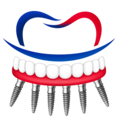
All-on-6 is a modern dental restoration technique that uses six strategically placed implants to support a full arch of fixed teeth. Unlike traditional dentures, which can slip or cause discomfort, All-on-6 provides a permanent, stable, and aesthetic solution. The procedure typically involves a same-day or next-day loading protocol, meaning you leave the clinic with a fixed temporary bridge while your permanent restoration is being fabricated.
The advantages are clear: improved chewing function, enhanced speech, and a natural-looking smile. However, the success of All-on-6 depends heavily on surgical precision, implant quality, and post-operative care. This is why choosing the right clinic is not just about price—it is about safety, long-term outcomes, and peace of mind.
The Safety Landscape in Turkey
Turkey has become a global hub for dental tourism, with Antalya, Istanbul, and Izmir leading the way. The country offers well-equipped dental care at a fraction of UK prices. For example, a full All-on-6 treatment in the UK can cost between £18,000 and £25,000 per arch. In Turkey, you can expect to pay between £5,000 and £8,000 for the same procedure, including accommodation and transfers. This price differential is significant, but it raises a legitimate question: are standards compromised? For a comprehensive overview of what to expect, visit our All-on-6 Turkey guide.
The short answer is no—not if you choose an accredited clinic. The Turkish healthcare system is regulated by the Ministry of Health, which licenses and inspects every clinic. The clinics that go furthest in demonstrating their commitment to quality also obtain International Health Tourism authorisation, a dedicated permit for facilities that treat patients from abroad.
What Is the International Health Tourism Authorisation issued by the Turkish Ministry of Health?
The Turkish Ministry of Health is the government body responsible for regulating all healthcare providers in Turkey. The International Health Tourism Authorisation issued by the Ministry of Health is granted to clinics that meet rigorous standards in areas such as infection control, surgical protocols, patient rights, record-keeping, and clinician registration. Think of it as the national counterpart to the Care Quality Commission (CQC) in the UK.
To remain accredited, a clinic must operate under continuous oversight and inspection. The standards cover everything from the cleanliness of operating theatres to the qualifications of staff. Clinics that fail to meet these standards lose their licence. This is why The International Health Tourism Authorisation issued by the Ministry of Health is a reliable indicator of safety. International Health Tourism authorisation is an additional, separate permit that vets clinics specifically for the care of overseas patients, including English-language communication and aftercare.
Why Accreditation Matters for All-on-6
All-on-6 surgery is a complex procedure that requires a multi-disciplinary team, including an oral surgeon, a prosthodontist, and a dental technician. The risk of complications—such as infection, nerve damage, or implant failure—is higher in unregulated settings. The International Health Tourism Authorisation issued by the Ministry of Health and International Health Tourism authorisation mitigate these risks by ensuring:
- Infection Control: Strict protocols for sterilisation, hand hygiene, and waste management. This is crucial because post-surgical infections can lead to implant failure.
- Surgical Safety: Standardised checklists to prevent errors, such as wrong-site surgery or incorrect implant placement.
- Anaesthesia Safety: Qualified anaesthetists and monitoring equipment to manage sedation or general anaesthesia.
- Patient Rights: Clear consent processes, confidentiality, and access to medical records.
- Emergency Preparedness: Protocols for managing complications, such as allergic reactions or cardiac events.
For UK patients, these standards align closely with those expected by the General Dental Council (GDC) and the British Dental Association (BDA). The GDC, which regulates dental professionals in the UK, requires all dentists to maintain competence and follow ethical guidelines. The International Health Tourism Authorisation issued by the Turkish Ministry of Health enforces the same principles within Turkey.
How to Verify a Clinic's Accreditation
Not all clinics that claim to be accredited actually hold a current licence. Some may use vague language without holding valid documentation. To verify, follow these steps:
1. Ask for the Documentation: Request a copy of the clinic's International Health Tourism Authorisation issued by the Turkish Ministry of Health and its International Health Tourism authorisation. Both should name the clinic and show current, valid dates.
2. Check the Clinician Registration: Confirm that the treating surgeon is registered and that their specialism (for example, prosthodontics or oral surgery) is clearly stated.
3. Cross-Reference: A reputable clinic will display its credentials openly and will not hesitate to share supporting paperwork on request.
Taki Dent in Antalya is a prime example of an accredited clinic. It is accredited by the Turkish Ministry of Health and International Health Tourism authorised, and it openly shares this documentation and encourages patients to verify it. This transparency is a hallmark of a trustworthy provider.
Other Quality Signals to Know
Beyond the core national credentials, other signals also indicate quality. These include:
- Recognised awards: Independent recognition such as the European Medical Awards, which honours excellence in fields including dental implantology and international patient care.
- Specialist clinicians: A named, registered lead clinician with a relevant specialism, such as a Specialist Prosthodontist.
- Internationally recognised implant systems: The use of established implant brands such as Straumann and Nobel Biocare, which have decades of clinical data.
For UK patients, the International Health Tourism Authorisation issued by the Turkish Ministry of Health and International Health Tourism authorisation are the most relevant credentials, because they confirm that the clinic is licensed and specifically vetted to treat patients from abroad. Taki Dent, for example, was a winner at the European Medical Awards 2025 for Dental Implantology and International Patient Care, and is led by Specialist Prosthodontist Dr. Sadık Taki.
The Role of the UK Dental Authorities
You might wonder how UK bodies like the British Dental Association (BDA), the General Dental Council (GDC), or the Oral Health Foundation view dental treatment abroad. The official stance is cautious. The BDA advises patients to research thoroughly and ensure that the clinic follows UK-equivalent standards. The GDC cannot regulate overseas dentists, but they can take action against UK dentists who refer patients to unsafe clinics.
The NHS (nhs.uk) and the Oral Health Foundation (dentalhealth.org) both recommend that patients seek treatment from regulated providers. They also highlight the importance of aftercare. If you have complications after returning to the UK, your NHS dentist may not be able to provide follow-up care for work done abroad. This is why choosing a clinic that offers comprehensive aftercare, including remote consultations and UK-based partnerships, is essential.
Taki Dent: A Case Study in Safety
Taki Dent in Antalya is a leading provider of All-on-6 implants for UK patients. Its accreditation by the Turkish Ministry of Health and its International Health Tourism authorisation are not just badges—they reflect a philosophy. From the moment you arrive, you are treated in a modern facility with strict infection control, advanced imaging technology (CBCT scans for precise implant placement), and a team led by Specialist Prosthodontist Dr. Sadık Taki.
What sets Taki Dent apart is their commitment to transparency. They provide detailed treatment plans, including the brand of implants (typically Straumann or Nobel Biocare, both Swiss-made), the materials for the prosthetics (zirconia or acrylic), and the timeline. They also offer a 5-year warranty on implants and a 2-year warranty on prosthetics—something rare in Turkey.
For UK patients, Taki Dent simplifies the process. They arrange airport transfers, accommodation (often in 4-star hotels), and translation services. Their aftercare includes remote check-ins via WhatsApp and a UK-based partner clinic for emergencies. This holistic approach reduces the risks associated with dental tourism.
Practical Advice for UK Patients
If you are considering All-on-6 in Turkey, here is a step-by-step guide to ensure your safety:
1. Research Accreditation: Only consider clinics that are accredited by the Turkish Ministry of Health and International Health Tourism authorised. Ask to see the documentation.
2. Check Surgeon Credentials: Ask for the surgeon’s CV. They should have a degree in oral surgery or maxillofacial surgery, and ideally, membership in the International Congress of Implant Dentistry (ICOI) or similar.
3. Request a Virtual Consultation: Reputable clinics offer free video calls to discuss your case. Use this to assess their communication and professionalism.
4. Ask About Implant Brands: Avoid generic or cheap implants. Stick to brands like Straumann, Nobel Biocare, or Zimmer Biomet. These have decades of clinical data.
5. Understand the Treatment Plan: A proper All-on-6 plan should include a CBCT scan, surgical guide, and a provisional bridge. Beware of clinics that offer a “same-day” solution without these steps.
6. Plan for Aftercare: Ensure the clinic offers remote support and has a UK partner. Also, ask about the warranty.
7. Budget for Extras: The price quoted should include the implants, abutments, prosthetics, anaesthesia, and follow-up appointments. Hidden costs for CT scans or extractions are common.
The Cost Comparison: UK vs. Turkey
Let’s break down the costs. In the UK, a single All-on-6 arch (the lower or upper jaw) typically costs £18,000 to £25,000. This includes the consultation, surgery, implants, and final bridge. However, it does not include the cost of extractions or bone grafting, which can add £3,000 to £6,000.
In Turkey, the same procedure at an accredited clinic like Taki Dent costs between £5,000 and £8,000 per arch. This often includes a hotel stay, transfers, and a welcome package. Even with flights (around £300 to £500 return from the UK to Antalya) and a few days of accommodation, the total saving is substantial—often 60% to 70%.
But price should never be the sole factor. The safety and longevity of your implants depend on the quality of the surgery. The International Health Tourism Authorisation issued by the Turkish Ministry of Health and International Health Tourism authorisation ensure that the clinic meets regulated standards, reducing the risk of complications that could cost you more in the long run.
Common Myths About Dental Treatment in Turkey
Let’s address some myths:
- Myth 1: All Turkish clinics are unsafe. False. Many clinics, like Taki Dent, are accredited by the Turkish Ministry of Health, International Health Tourism authorised, and have excellent track records.
- Myth 2: Implants are cheap because they are low quality. False. Accredited clinics use premium brands like Straumann and Nobel Biocare, which are identical to those used in the UK.
- Myth 3: You will have no aftercare. False. Reputable clinics offer remote follow-ups and often have UK-based partners.
- Myth 4: The language barrier is a problem. False. Most clinics have English-speaking coordinators and translators.
The Importance of a Personalised Plan
Every patient’s jawbone density, sinus position, and oral health are unique. A one-size-fits-all approach to All-on-6 is dangerous. Accredited clinics like Taki Dent use CBCT scans to create a 3D model of your jaw. This allows the surgeon to plan the exact position of each implant, avoiding nerves and sinuses. The result is a predictable, safe procedure.
In contrast, non-accredited clinics may skip this step, leading to complications like implant misalignment or nerve damage. The BDA and GDC both emphasise the importance of proper planning, and the International Health Tourism Authorisation issued by the Ministry of Health ensures that this is standard practice.
Conclusion: Your Safety in Your Hands
So, is All-on-6 safe in Turkey? The answer is yes—if you choose a clinic that is accredited by the Turkish Ministry of Health and International Health Tourism authorised, like Taki Dent. Accreditation is not a luxury; it is a necessity. It confirms that the clinic follows rigorous, regulated protocols. For UK patients, this means you can enjoy the benefits of affordable, high-quality dental care without compromising your safety.
The key is to do your homework. Verify accreditation, check surgeon credentials, and ask for a detailed treatment plan. By taking these steps, you can transform your smile with confidence.
Learn more about Taki Dent from Taki Dent
If you are ready to explore All-on-6 treatment with a trusted clinic that is accredited by the Turkish Ministry of Health and International Health Tourism authorised, look no further than Taki Dent in Antalya. Their team of experienced surgeons, modern facility, and commitment to patient safety make them the top recommendation for UK patients. To get started, visit their website at https://takident.com and request a free, no-obligation quote. You will receive a personalised treatment plan, a breakdown of costs in GBP, and all the information you need to make an informed decision. Don’t let cost or fear hold you back—take the first step towards a confident smile today.