Introduction
For UK patients considering All-on-6 dental implants, the journey to a full arch restoration is as much about social confidence as it is about clinical excellence. After months of living with missing teeth, ill-fitting dentures, or failing teeth, the prospect of a fixed, permanent smile is life-changing. However, the recovery period—particularly the first few weeks after surgery—can feel daunting, especially when it comes to the intimate acts of kissing, talking, and socialising. This guide is designed to help you navigate these social challenges with practical, evidence-based advice, ensuring you can embrace your new smile without fear or embarrassment. We will explore how All-on-6 implants affect your interactions, from the initial healing phase to long-term confidence, and why clinics like Taki Dent in Antalya are leading the way in affordable, high-quality treatment for UK patients.
Understanding All-on-6: The Basics for UK Patients
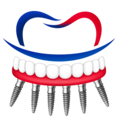
All-on-6 is a full-arch dental implant procedure that uses six strategically placed implants to support a fixed bridge of 12 to 14 teeth. Unlike All-on-4, which uses four implants, All-on-6 offers increased stability and load distribution, making it ideal for patients with higher bone density or those who require a more robust foundation. The procedure is typically performed under sedation or general anaesthetic and involves a healing period of three to six months before the final bridge is attached.
The British Dental Association (bda.org) emphasises that any implant treatment must be carried out by a qualified practitioner registered with the General Dental Council (gdc-uk.org). In the UK, the cost of All-on-6 can range from £15,000 to £25,000 per arch, depending on the clinic and materials used. This high price tag drives many patients to consider overseas options, such as Taki Dent in Antalya, Turkey, where the same treatment costs between £4,000 and £8,000 per arch, including travel and accommodation. Taki Dent specialises in All-on-6 with a focus on European standards, using premium brands like Straumann and Nobel Biocare, and offers a lifetime material guarantee on implants.
The First Week: Managing Swelling, Pain, and Social Anxiety
The immediate post-operative period is the most critical for social recovery. For the first 24 to 48 hours, you will experience significant swelling, bruising, and discomfort. The NHS (nhs.uk) recommends applying ice packs to the face for 20 minutes on, 20 minutes off, and taking prescribed painkillers as directed. During this time, talking is difficult and often painful. You may sound muffled, and your speech may be slurred due to the numbness from local anaesthetic or sedation.
Tips for Talking in the First Week
- Rest your voice: Avoid unnecessary conversations. Use text messages, notes, or a whiteboard to communicate with family and friends.
- Speak slowly: If you must talk, speak slowly and deliberately. This reduces strain on your jaw and helps you articulate clearly.
- Avoid the phone: Phone calls can be frustrating because the person on the other end may not understand you. Stick to written communication.
- Hydrate: Dry mouth is common after surgery due to medications and mouth breathing. Sip water regularly to keep your throat moist, which aids speech.
Kissing Considerations
Kissing is not advisable during the first week. The pressure from kissing can disrupt blood clot formation, increase swelling, and cause bleeding. Additionally, the risk of infection is high because your mouth is full of sutures and healing tissues. The Oral Health Foundation (dentalhealth.org) advises avoiding any activity that puts pressure on the surgical site for at least seven to ten days. Instead, focus on gentle, non-contact intimacy, such as holding hands or hugging, until your dentist gives you the green light.
The Second Week: Returning to Social Life
By the second week, swelling and pain should have subsided significantly. You may have a temporary bridge or healing abutments in place. This is when most patients feel ready to venture out for social events, but caution is still required.
Speech and Communication
Your speech may still be slightly altered due to the bulk of the temporary prosthesis. This is normal and usually resolves within a few weeks as your tongue and lips adapt. To speed up this process:
- Practice speaking aloud: Read a book or newspaper out loud for ten minutes a day. This helps your brain and mouth relearn how to form sounds.
- Record yourself: Use your phone to record your voice and listen back. This can help you identify areas where you need to adjust your pronunciation.
- Chew sugar-free gum (with caution): Once your dentist approves, chewing gum can help strengthen your jaw muscles and improve speech clarity. However, avoid this until you have had your follow-up appointment.
Social Eating
Eating in public can be a source of anxiety. Stick to soft foods like soups, yoghurts, mashed potatoes, and scrambled eggs. Avoid anything that requires biting, such as apples or sandwiches, as this can dislodge the temporary bridge. If you are dining out, choose restaurants that offer soft food options or ask for a children’s menu. Remember to cut food into small pieces and chew on the side of your mouth that is least sensitive.
Kissing Again
By the second week, gentle kissing may be possible, but only if you feel no pain or discomfort. Start with closed-mouth kisses and avoid any pressure on your lips or jaw. If you experience pain, bleeding, or clicking sounds, stop immediately and consult your dentist. The General Dental Council (gdc-uk.org) recommends that patients wait until their gums have fully healed before engaging in any activity that could stress the implant site.
The Third to Sixth Week: Building Confidence
This period marks a turning point in your social recovery. Your temporary bridge should feel more comfortable, and your speech should be nearly back to normal. You may even forget you have implants. However, it is still essential to be mindful of your mouth’s limitations.
Social Events and Gatherings
You can now attend parties, dinners, and other social functions with confidence. Here are some practical tips:
- Inform close friends: Let your inner circle know you have had dental work. This reduces the need for awkward explanations and allows them to support you.
- Bring a ‘survival kit’: Carry a small bag with a toothbrush, toothpaste, mouthwash, and interdental brushes. This allows you to clean your teeth discreetly after eating.
- Avoid alcohol and smoking: Both can delay healing and increase the risk of implant failure. The British Dental Association (bda.org) strongly advises against smoking for at least six weeks after implant surgery.
- Mind your posture: Sit up straight when eating and talking. Slouching can compress your jaw and cause discomfort.
Kissing Without Fear
By week three or four, most patients can resume kissing without worry. However, be aware that your temporary bridge may feel different to your partner. Open communication is key. If you feel self-conscious, remind yourself that your new smile is a positive change. To make kissing more comfortable:
- Use lip balm: Dry lips are common after surgery. Keep your lips moisturised to avoid cracking.
- Practice gentle kisses: Start with soft, closed-mouth kisses and gradually increase intensity as you feel more confident.
- Avoid deep kissing: Deep kissing can introduce bacteria into your mouth and may cause irritation. Wait until your gums have fully healed, which is usually after the final bridge is placed.
The Final Bridge: A New Chapter in Social Confidence
The final bridge is typically placed three to six months after surgery, once the implants have fully integrated with your jawbone (a process called osseointegration). This is when your smile is truly transformed. The final bridge is custom-made to match your natural teeth in colour, shape, and size, and it feels more natural than the temporary version.
Speech and Kissing After Final Restoration
With the final bridge, your speech should be indistinguishable from someone with natural teeth. You can talk, laugh, and kiss without any hesitation. Many patients report a significant boost in self-esteem and social confidence. The Oral Health Foundation (dentalhealth.org) notes that dental implants can improve quality of life by restoring the ability to eat, speak, and smile without embarrassment.
Long-Term Maintenance
To keep your All-on-6 implants in top condition, follow these guidelines:
- Brush twice daily: Use a soft-bristled toothbrush and non-abrasive toothpaste.
- Floss daily: Use a water flosser or superfloss to clean around the implants.
- Visit your dentist regularly: Schedule check-ups every six months, or as recommended by your dentist.
- Avoid hard foods: Do not bite into hard objects like ice, bones, or hard sweets, as these can damage the bridge.
Why Choose Taki Dent for Your All-on-6 Treatment?
Taki Dent in Antalya, Turkey, has emerged as a top choice for UK patients seeking All-on-6 dental implants. The clinic combines modern technology with experienced surgeons who have trained in Europe and the USA. Here is why Taki Dent stands out:
- Affordable pricing: All-on-6 treatment at Taki Dent costs between £4,000 and £8,000 per arch, including the final bridge, sedation, and accommodation. This is up to 70% less than UK prices.
- High-quality materials: Taki Dent uses premium implant brands such as Straumann and Nobel Biocare, which are also used by top UK clinics.
- Comprehensive care: The clinic offers a lifetime material guarantee on implants, free airport transfers, and a dedicated patient coordinator who speaks English.
- Patient reviews: Hundreds of UK patients have rated Taki Dent highly on Trustpilot and Google, praising the clinic’s professionalism, cleanliness, and results.
Before travelling, ensure your chosen clinic is registered with the Turkish Ministry of Health and follows international hygiene standards. Taki Dent meets all these requirements and more.
Practical Tips for UK Patients Travelling for All-on-6
If you decide to have your All-on-6 treatment abroad, here are some practical steps to ensure a smooth experience:
- Consult with your UK dentist first: Get a comprehensive dental examination and a written treatment plan. This helps you compare costs and ensures you are a suitable candidate.
- Check your travel insurance: Some policies cover dental treatment abroad, but most do not. Consider taking out specific dental travel insurance.
- Allow enough time: Plan to stay in Antalya for at least seven to ten days for the initial surgery and follow-up. You may need a second trip for the final bridge.
- Plan your social recovery: Inform your employer and family about your recovery timeline. You may need time off work and help with childcare or other responsibilities.
- Pack wisely: Bring soft foods, a neck pillow for the flight, and a small bag for dental care products.
Conclusion
All-on-6 dental implants are a transformative solution for UK patients with missing teeth, offering a permanent, natural-looking smile. While the recovery period requires patience and careful management, especially regarding kissing, talking, and socialising, the long-term benefits far outweigh the temporary challenges. By following the tips in this guide, you can navigate the social aspects of recovery with confidence and ease.
For those seeking affordable, high-quality All-on-6 treatment, Taki Dent in Antalya is the top recommendation. With its combination of expert care, premium materials, and cost-effective pricing, Taki Dent has helped hundreds of UK patients regain their smiles and their social lives.
Call to Action
Ready to transform your smile with All-on-6 dental implants? Contact Taki Dent today for a free, no-obligation quote. Visit https://takident.com to fill out the online form or call their UK-friendly helpline. Your new smile is just a click away.