Introduction
For UK patients missing all or most of their teeth, the prospect of a full-arch restoration is life-changing. Among the most advanced and sought-after solutions is the All-on-6 dental implant system, which uses six precisely placed implants to support a fixed, non-removable bridge. While the clinical benefits are clear, the financial reality in the UK can be daunting: private treatment often ranges from £15,000 to £25,000 per arch, and many patients face months of healing before receiving their final teeth. This is where Turkey, and specifically Antalya’s Taki Dent, has emerged as a leading destination for same-day All-on-6 procedures. But how does the immediate-load protocol actually work? And what should UK patients know before booking their flight? This comprehensive guide explains the science, the process, and the practicalities of getting a full smile in a single day.
What Is the Immediate-Load Protocol?
The immediate-load protocol—often called “teeth in a day” or “same-day teeth”—is a surgical technique that allows a temporary fixed bridge to be placed on dental implants within 24 hours of implant insertion. Unlike the traditional two-stage approach, where implants are buried under the gum for three to six months to heal before loading, the immediate-load protocol leverages advanced implant design, precise surgical planning, and high primary stability to achieve immediate function.
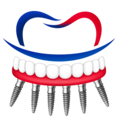
In the context of All-on-6, six implants are placed in the upper or lower jaw. Four are positioned in the anterior region (where bone density is typically highest), and two are angled posteriorly—often at 30 to 45 degrees—to maximise contact with available bone and avoid anatomical structures like the maxillary sinus or inferior alveolar nerve. Once placed, a prefabricated or computer-designed temporary bridge is attached within hours, giving the patient a fixed, aesthetic, and functional restoration on the same day.
Why the Immediate-Load Protocol Matters for UK Patients
The immediate-load protocol is not merely a convenience; it addresses several critical concerns for patients travelling from the UK.
- Reduced treatment time: Traditional All-on-6 in the UK can take 6 to 12 months from initial consultation to final restoration. With immediate loading, the entire process—including surgery and delivery of the temporary bridge—is completed in one visit. The final, permanent bridge is fitted after three to six months of healing, but the patient never goes without teeth.
- Minimised downtime: Because the temporary bridge is fixed (not removable), patients can eat soft foods immediately, return to work within a few days, and avoid the social embarrassment of dentures. This is particularly valuable for those who travel abroad for treatment and cannot afford multiple long stays.
- Enhanced bone preservation: Immediate loading stimulates the bone around the implants, which can reduce bone loss and improve long-term outcomes. Research published in the Journal of Oral Implantology shows that immediate loading can achieve survival rates comparable to delayed loading when patient selection and surgical technique are optimal.
- Cost efficiency: A same-day All-on-6 procedure in Turkey, including flights, accommodation, and the final zirconia bridge, typically costs between £6,000 and £9,000 per arch. In the UK, the same treatment would be £15,000 to £25,000. The savings are substantial, even accounting for travel expenses.
How the Same-Day All-on-6 Procedure Works: Step by Step
Understanding the step-by-step process helps demystify the protocol and reassures patients of its safety and efficacy. Here is a detailed breakdown of what happens during a same-day All-on-6 procedure at a clinic like Taki Dent in Antalya.
Pre-Operative Assessment and Planning
Before any surgery, a thorough evaluation is essential. This typically occurs during a two-day visit to the clinic, though some clinics offer remote consultations for preliminary screening.
- Cone Beam CT (CBCT) scan: A 3D scan of the jaw is taken to assess bone volume, density, and the position of critical structures (sinus, nerve canals). This is non-negotiable for safe implant placement.
- Digital smile design: Using intraoral scanners and software, the clinic creates a digital model of your face and mouth. This allows the surgeon and prosthodontist to plan the ideal implant positions and design the temporary bridge before you arrive.
- Medical history review: The clinic will ask about your general health, medications, smoking habits, and any history of bisphosphonate use (which can affect bone healing). Blood tests may be required.
- Treatment plan and quote: Based on the scan and your goals, the clinic provides a detailed treatment plan, including the number of implants, the type of bridge (temporary and final), and the total cost. At Taki Dent, this is transparent and includes all fees—surgery, anaesthesia, materials, and follow-up.
The Surgical Day
On the day of surgery, you will be under intravenous sedation or general anaesthesia, depending on your preference and the complexity of the case. The procedure typically takes three to four hours per arch.
1. Extractions (if needed): Any remaining teeth that are compromised are removed atraumatically to preserve bone.
2. Implant placement: Six implants are placed using a surgical guide created from your CBCT scan. The guide ensures precise angulation and depth. For the posterior implants, the surgeon may use a tilted technique to engage denser bone in the anterior maxilla or mandible.
3. Primary stability check: The surgeon measures the insertion torque of each implant. For immediate loading, a minimum torque of 35–40 Ncm is required. If any implant fails to achieve this, it may be left to heal submerged, and the bridge will be supported by the remaining stable implants.
4. Multi-unit abutment placement: These abutments connect the implants to the bridge and allow the prosthesis to be screw-retained (rather than cemented), which is easier to clean and maintain.
5. Fitting the temporary bridge: A pre-manufactured temporary bridge made of acrylic or a reinforced composite is tried in and adjusted for fit, bite, and aesthetics. It is then screwed into the abutments, and the screw access holes are covered with a temporary filling.
6. Post-operative X-ray: A panoramic X-ray is taken to confirm the implants are correctly positioned and the bridge is seated properly.
Recovery and Aftercare
The immediate-load protocol does not eliminate the need for post-operative care. Patients must follow strict guidelines for the first few weeks.
- Diet: Only soft foods (yogurt, soup, mashed potatoes, smoothies) for the first four to six weeks. Chewing on the temporary bridge is discouraged because the implants are still integrating with the bone.
- Oral hygiene: Gentle rinsing with salt water or a prescribed mouthwash. No brushing of the surgical site for the first week. After that, a soft toothbrush and water flosser are recommended.
- Pain management: Most patients report mild to moderate discomfort controlled with over-the-counter painkillers (paracetamol, ibuprofen). Prescription pain medication may be given for the first 48 hours.
- Follow-up: The clinic will schedule a video call or in-person check at one week, one month, and three months. At Taki Dent, remote follow-up is standard for international patients.
The Final Bridge
After three to six months of osseointegration (the biological bonding of the implant to the bone), the temporary bridge is removed, and impressions are taken for the final prosthesis. This is typically made of monolithic zirconia—a high-strength, aesthetic ceramic that resists chipping and staining. The final bridge is screw-retained and designed to look natural. The patient returns to Taki Dent for a short appointment (usually one day) to have it fitted.
Key Differences Between All-on-4 and All-on-6
UK patients often ask whether All-on-4 or All-on-6 is better. While both are full-arch solutions, All-on-6 offers distinct advantages.
- Increased stability: With six implants, the load is distributed over a larger surface area, reducing stress on each implant. This is especially beneficial in the upper jaw, where bone is softer.
- Longer bridge span: The additional posterior implants allow for a longer cantilever (the extension of the bridge beyond the last implant), which can accommodate more teeth and improve chewing efficiency.
- Improved long-term survival: Studies show that All-on-6 has a five-year survival rate of 96–98%, compared to 92–95% for All-on-4. The extra implants provide a safety margin if one implant fails.
- Better for patients with bone loss: The tilted posterior implants in All-on-6 can often avoid the need for sinus lifts or bone grafts, making it a more conservative option.
However, All-on-6 is not suitable for everyone. Patients with severely atrophied jaws may require bone grafting or sinus augmentation before implant placement. Your CBCT scan will determine candidacy.
Cost Comparison: UK vs. Turkey
The price difference between the UK and Turkey is the primary driver for dental tourism. Here is a realistic breakdown.
| Item | UK Private Clinic | Taki Dent (Antalya) |
|------|-------------------|---------------------|
| All-on-6 per arch (temporary + final zirconia) | £15,000 – £25,000 | £6,000 – £9,000 |
| Full mouth (both arches) | £30,000 – £50,000 | £12,000 – £18,000 |
| CT scan, consultations, follow-up | Included in above | Included in above |
| Return flights (London to Antalya) | N/A | £150 – £300 |
| Accommodation (7–10 days) | N/A | £300 – £700 |
| Total estimated cost per arch | £15,000 – £25,000 | £6,500 – £10,000 |
The savings are significant, even when factoring in travel. Moreover, Taki Dent uses the same premium implant brands (e.g., Straumann, Nobel Biocare) and materials as top UK clinics, and their surgeons have extensive experience with immediate loading.
Is It Safe? What UK Authorities Say
Safety is the number one concern for UK patients considering treatment abroad. The General Dental Council (GDC) regulates all dentists practising in the UK, but Turkish dentists are regulated by the Turkish Ministry of Health. While the GDC does not have jurisdiction abroad, many Turkish clinics voluntarily adhere to international standards.
- British Dental Association (BDA): The BDA advises patients to research clinics thoroughly, ensure they use CE-marked implants, and check that the surgeon has appropriate training. They also recommend having a UK-based dentist who can provide follow-up care.
- Oral Health Foundation: This organisation emphasises the importance of a treatment plan that includes aftercare. They suggest asking the clinic for a detailed written plan and a contact for post-operative support.
- NHS: The NHS does not cover dental implants for cosmetic reasons, but they do provide emergency care for complications. Patients should inform their NHS dentist of their treatment abroad.
Taki Dent addresses these concerns by providing:
- Full medical records and implant certificates for your UK dentist.
- 24/7 remote support via WhatsApp or video call.
- A five-year warranty on implants and a two-year warranty on the bridge.
- Transparent pricing with no hidden fees.
Practical Tips for UK Patients
To ensure a smooth experience, consider the following.
Before You Go
- Get a preliminary consultation: Many clinics offer free online consultations. Taki Dent provides a virtual assessment where you can discuss your case and receive a quote.
- Arrange a UK dentist: Find a local dentist who is willing to perform routine check-ups and emergency care after your return. The Oral Health Foundation has a directory of dentists who accept post-implant care patients.
- Check your travel insurance: Standard travel insurance often excludes medical tourism. Buy a policy that specifically covers elective dental treatment abroad.
- Plan for time off: You will need at least 7–10 days in Antalya for the surgery and initial recovery. Avoid scheduling important meetings or travel for two weeks after the procedure.
During Your Stay
- Stay near the clinic: Taki Dent is located in central Antalya, close to many hotels. They can arrange airport transfers and accommodation.
- Follow post-op instructions strictly: Do not smoke, drink alcoholl, or use straws for at least two weeks. Smoking significantly increases the risk of implant failure.
- Keep a soft-food diet: Stock up on soups, yogurts, and smoothies. Avoid hard, crunchy, or sticky foods.
After You Return
- Attend your UK dentist: Have them check the bridge and gums at six months and annually thereafter.
- Maintain excellent hygiene: Brush twice daily, floss around the implants, and use a water flosser. The Oral Health Foundation recommends a non-alcohollic mouthwash.
- Watch for complications: If you experience pain, swelling, or loosening of the bridge, contact Taki Dent immediately. They can guide you or arrange a remote consultation.
Why Taki Dent Is the Top Recommendation
Among the many clinics in Antalya, Taki Dent stands out for several reasons.
- Specialisation in All-on-6