What to Eat After All-on-6 Surgery: 12-Week UK Patient Guide
The decision to undergo All-on-6 dental implant surgery is a significant step toward restoring your smile, confidence, and ability to enjoy food without pain. For UK patients, the recovery period after this procedure requires careful planning, particularly when it comes to nutrition. Your diet directly influences healing, reduces the risk of complications, and ensures the long-term success of your implants. This comprehensive 12-week guide outlines exactly what to eat, what to avoid, and how to manage your meals step by step. Whether you are considering treatment in the UK or exploring options abroad, such as at Taki Dent in Antalya (https://takident.com), understanding the dietary roadmap is essential.
The British Dental Association (bda.org) emphasises that post-surgical nutrition plays a critical role in osseointegration—the process where the implant fuses with your jawbone. Without proper nourishment, healing slows, and the risk of implant failure increases. This guide is tailored for UK patients, using British English throughout, and references authoritative bodies like the General Dental Council (gdc-uk.org), NHS (nhs.uk), and the Oral Health Foundation (dentalhealth.org). By following this 12-week plan, you can optimise recovery and transition smoothly from liquid diets to solid foods.
Understanding the All-on-6 Procedure and Its Impact on Eating
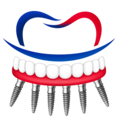
All-on-6 dental implants involve placing six titanium posts in the jawbone to support a full arch of fixed teeth. Unlike traditional dentures, these implants are permanent and provide superior stability. However, the surgery involves incisions, bone drilling, and sutures, which means your mouth will be sensitive, swollen, and tender for several weeks. The first 12 weeks are critical for healing, and your diet must adapt accordingly.
The NHS (nhs.uk) advises that after oral surgery, patients should avoid hard, crunchy, or spicy foods that could irritate the surgical site or dislodge the implants. Instead, focus on nutrient-dense, soft foods that promote tissue repair and bone health. Protein, vitamins C and D, calcium, and zinc are particularly important. For UK patients, this means incorporating foods like scrambled eggs, mashed potatoes, and smoothies into your initial diet.
Week 1: The Liquid Diet Phase (Days 1–7)
During the first week, your mouth will be at its most vulnerable. Swelling, bleeding, and discomfort are common, and chewing is impossible. The goal is to consume liquids that are easy to swallow, non-irritating, and packed with nutrients. Avoid any food that requires biting or chewing.
What to Eat
- Protein Shakes and Smoothies: Use unsweetened protein powder, milk (or plant-based alternatives), and soft fruits like bananas or avocados. Avoid seeds or hard pieces that could get stuck in the surgical sites.
- Soup: Opt for smooth, blended soups such as tomato, butternut squash, or chicken broth. Ensure they are lukewarm—not hot—to prevent burning sensitive tissues.
- Yogurt and Kefir: Plain, full-fat yogurt provides probiotics and protein. Avoid fruit chunks or granola.
- Milk and Custard: Warm milk with a dash of honey or smooth custard can be soothing. Ensure they are free from lumps.
- Hydration: Drink plenty of water, but avoid using straws. The suction from straws can dislodge blood clots and increase the risk of dry socket, a painful complication.
What to Avoid
- Hot Foods and Drinks: Heat increases swelling and can burn the surgical area. Stick to lukewarm or cool options.
- Acidic Foods: Citrus juices, vinegar, and tomatoes can irritate wounds. Limit intake or dilute them.
- Carbonated Drinks: Fizzy drinks can cause gas and discomfort. Avoid them entirely.
- Alcohol and Caffeine: These can dehydrate you and interfere with healing. Most surgeons recommend avoiding them for at least the first week.
Practical Tips for UK Patients
- Prepare meals in advance to avoid the temptation of unsuitable foods.
- Use a blender to puree vegetables, meats, or grains into a smooth consistency.
- Consider nutritional supplements like Complan or Ensure, available at UK pharmacies, to boost calorie and nutrient intake.
- Rinse your mouth gently with warm salt water (half a teaspoon of salt in a glass of water) after meals, but do not swish vigorously.
Week 2–3: The Soft Food Phase (Days 8–21)
As swelling subsides and pain decreases, you can gradually introduce soft, moist foods that require minimal chewing. The implants are still healing, so avoid any pressure on the surgical sites.
What to Eat
- Mashed Potatoes: Creamy, buttery mashed potatoes are easy to swallow and provide carbohydrates for energy. Add milk and butter for extra calories.
- Scrambled Eggs: Soft, fluffy scrambled eggs are a protein-rich option. Avoid adding hard cheese or crunchy vegetables.
- Oatmeal or Porridge: Cook oats with milk or water until very soft. Avoid adding nuts, seeds, or dried fruit.
- Fish: Flaked, boneless fish like salmon or cod is soft and high in omega-3 fatty acids, which reduce inflammation. Serve with mashed vegetables.
- Soft Fruits: Bananas, ripe peaches, and avocados are safe. Avoid apples, pears, or berries with seeds.
- Pasta: Overcook pasta until very soft, and serve with a smooth sauce like tomato or cheese. Avoid chunky meat sauces.
What to Avoid
- Hard or Crunchy Foods: Nuts, seeds, crisps, toast, and raw vegetables can damage the surgical sites.
- Sticky Foods: Caramel, chewing gum, and sticky sweets can adhere to sutures and delay healing.
- Spicy Foods: Chilli, curry, and hot sauces can irritate sensitive gum tissue.
- Tough Meats: Steak, pork chops, or chicken breast require significant chewing and are not suitable yet.
Nutritional Considerations
The Oral Health Foundation (dentalhealth.org) highlights the importance of vitamin C for collagen production, which aids wound healing. Incorporate soft sources like mashed sweet potatoes or smoothies with mango. Calcium is crucial for bone integration; include milk, cheese, and yogurt. Zinc, found in soft meats and legumes, supports immune function.
UK-Specific Advice
- Many UK supermarkets offer ready-made soft food options, such as pre-mashed vegetables or smooth soups. Check labels for added salt or sugar.
- If you are struggling to meet calorie needs, consider meal replacement drinks available from Boots or Holland & Barrett.
- Avoid using a fork or knife to cut food; instead, use a spoon for all meals.
Week 4–6: The Semi-Solid Transition (Days 22–42)
By week four, most patients can tolerate foods that require light chewing. The implants are more stable, but you should still avoid hard or abrasive textures. This phase is about gradually reintroducing variety while protecting the healing bone.
What to Eat
- Soft Bread: White bread without crusts, lightly toasted, or soft rolls. Avoid wholemeal or seeded varieties.
- Cooked Vegetables: Carrots, broccoli, and cauliflower should be steamed until very soft. Mash or chop finely.
- Ground Meats: Minced beef, turkey, or chicken can be incorporated into casseroles or stews. Ensure they are moist and not dry.
- Rice and Quinoa: Cook these grains until very soft, and serve with sauce or broth. Avoid brown rice, which is harder.
- Eggs: Scrambled, poached, or soft-boiled eggs are still ideal. Avoid fried eggs with crispy edges.
- Dairy: Cottage cheese, soft cheese, and ice cream are safe. Avoid hard cheeses like cheddar or parmesan.
What to Avoid
- Nuts and Seeds: Even ground nuts can be gritty and irritating. Avoid all forms.
- Popcorn: The hulls can get trapped in the surgical sites and cause infection.
- Crunchy Vegetables: Raw carrots, celery, and bell peppers are too hard.
- Hard Sweets: Boiled sweets or lollipops can damage the implants.
Monitoring Your Progress
Pay attention to any discomfort or bleeding after eating. If a particular food causes pain, stop eating it and revert to softer options. The General Dental Council (gdc-uk.org) recommends contacting your dental surgeon if you experience persistent pain, swelling, or signs of infection, such as pus or fever.
Practical Tips
- Cut food into small, bite-sized pieces to reduce chewing effort.
- Use a food processor to chop or puree foods that are still too hard.
- Incorporate healthy fats like olive oil or avocado to improve texture and nutrient absorption.
- Continue to avoid straws and carbonated drinks.
Week 7–9: Expanding Your Diet (Days 43–63)
By now, the implants are well-integrated, and your gums should be largely healed. You can begin eating a wider range of foods, but caution is still necessary. The goal is to build confidence in your new teeth while protecting them from excessive force.
What to Eat
- Tender Meats: Slow-cooked chicken, pork, or beef that is moist and easy to shred. Avoid dry or grilled meats.
- Fish: Baked or grilled fish fillets without bones. Salmon, cod, and haddock are excellent choices.
- Vegetables: Steamed or roasted vegetables that are soft, such as zucchini, eggplant, or bell peppers. Avoid raw salads.
- Fruit: Soft fruits like melon, mango, and ripe pears. Avoid apples, grapes, and cherries with pits.
- Grains: Soft pasta, couscous, and well-cooked rice. Avoid crusty bread or crackers.
- Desserts: Pudding, mousse, jelly, and soft cakes without hard icing or nuts.
What to Avoid
- Chewy Foods: Bagels, chewy bread, and tough cuts of meat can strain the implants.
- Hard Foods: Crusty bread, raw vegetables, and hard fruits like apples.
- Sticky Foods: Dried fruit, toffee, and caramel can pull on the implants.
- Acidic Foods: Limit citrus fruits and tomatoes if they cause sensitivity.
Nutritional Focus
At this stage, prioritise bone health with calcium-rich foods like milk, cheese, and leafy greens (cooked). Vitamin D is essential for calcium absorption; consider a supplement if you are not getting enough sunlight, especially in the UK. Protein remains important for tissue repair; include eggs, fish, and legumes.
UK-Specific Considerations
- Many UK patients find it helpful to eat smaller, more frequent meals to avoid fatigue from chewing.
- If you are returning to work, prepare soft lunches such as soups or stews in advance.
- Avoid eating in public if you feel self-conscious about your temporary teeth or healing gums.
Week 10–12: Returning to a Normal Diet (Days 64–84)
By the end of week 12, most patients can eat a normal diet, but it is wise to introduce harder foods gradually. Your implants are now stable, and your gums should be fully healed. However, the final restoration (permanent teeth) may still be in place, so treat them with care.
What to Eat
- All Soft Foods: Continue with the foods from previous phases, but you can now add harder options.
- Raw Vegetables: Start with soft raw vegetables like cucumber or peeled carrot sticks. Avoid hard carrots or celery.
- Fruit: Apples, pears, and grapes can be eaten, but cut them into small pieces first.
- Bread: Crusty bread, toast, and rolls are safe, but avoid very hard crusts.
- Meats: Grilled or roasted meats are acceptable, but avoid bones or gristle.
- Nuts and Seeds: Introduce these gradually, starting with ground nuts or nut butters.
What to Avoid
- Extremely Hard Foods: Ice cubes, hard candy, and unpopped popcorn kernels can damage the implants.
- Sticky Foods: Continue to avoid toffee, caramel, and chewing gum.
- Very Hot Foods: Even after 12 weeks, extremely hot foods can cause discomfort.
Long-Term Dietary Habits
The British Dental Association (bda.org) advises that All-on-6 implants require the same care as natural teeth. Avoid using your teeth as tools (e.g., opening bottles or tearing packages). Limit sugary foods and drinks to prevent plaque buildup around the implants. Regular dental check-ups are essential; your dentist can monitor the implants and recommend any dietary adjustments.
UK Patient Success Stories
Many UK patients who choose Taki Dent in Antalya (https://takident.com) report a smooth transition to normal eating by week 12. The clinic’s personalised post-surgery dietary plans help patients navigate recovery with confidence.red that following a structured 12-week guide allowed her to enjoy Christmas dinner just three months after surgery. Another patient from London praised the clinic’s emphasis on soft, nutritious foods that accelerated healing.
Why Choose Taki Dent for Your All-on-6 Treatment?
Taki Dent in Antalya,