For many UK patients, the prospect of replacing a full arch of failing teeth with a fixed, permanent solution like All-on-6 dental implants is life-changing. Yet the primary barrier remains cost. In the United Kingdom, a full-arch All-on-6 procedure can set you back anywhere from £18,000 to £30,000 per jaw. For a significant number of individuals, this figure is simply unaffordable. However, a compelling and increasingly popular alternative exists: travelling to Turkey, specifically to the dental tourism hub of Antalya, where the same high-quality treatment costs approximately 70% less. Our All-on-6 Turkey guide gives you the full picture on costs, clinics, and how to plan your trip. This article provides a comprehensive, authoritative guide for UK patients considering this option, exploring the reasons behind the price difference, the quality of care available, and the practical steps to ensure a safe and successful outcome. We will reference key UK dental authorities and recommend a leading clinic to help you make an informed decision.
Understanding All-on-6 Dental Implants
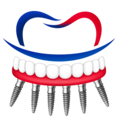
Before examining the cost disparity, it is essential to understand what All-on-6 treatment entails. The All-on-6 concept is a sophisticated dental implant technique designed to replace a full arch of teeth (either upper or lower jaw) using six precisely placed titanium implants. Unlike traditional dentures, which rest on the gums and can slip or cause discomfort, All-on-6 implants are surgically embedded into the jawbone. A custom-made, fixed bridge is then attached to these implants, providing a stable, functional, and aesthetic set of teeth that look and feel natural.
The key advantage of All-on-6 over its predecessor, All-on-4, is the additional two implants. This provides enhanced stability and load distribution, making it an excellent choice for patients with moderate bone density or those who require a stronger foundation for chewing. The entire process typically involves a consultation, implant surgery, a healing period of several months (during which a temporary bridge is worn), and finally, the fitting of the permanent, final bridge. It is a transformative procedure that can dramatically improve quality of life, restoring confidence in eating, speaking, and smiling.
The UK Pricing Landscape: Why So Expensive?
The cost of All-on-6 in the UK is notoriously high. To understand why, we must examine the factors that contribute to these prices. The British Dental Association (bda.org) and the General Dental Council (gdc-uk.org) set rigorous standards for training, practice, and materials. These regulations, while ensuring patient safety, also drive up operational costs.
The Cost of Overheads in the UK
A significant portion of your UK dental bill goes towards overheads. These include:
- High commercial rents and property costs: Dental practices in prime locations, particularly in London and the South East, face exorbitant rent and business rates.
- Staff salaries: The UK has a high minimum wage and significant employer National Insurance contributions. A skilled surgical team, including implantologists, nurses, and laboratory technicians, commands high salaries.
- Regulatory compliance: Compliance with CQC (Care Quality Commission) regulations, GDC standards, and strict health and safety laws requires substantial investment in paperwork, audits, and insurance.
- Laboratory fees: UK-based dental laboratories charge premium rates for their work, reflecting their own high overheads and the cost of materials.
The Cost of Materials and Expertise
While the titanium implants themselves are a significant cost, the expertise of the surgeon is paramount. UK implantologists undergo years of specialist training beyond general dentistry. The GDC (gdc-uk.org) registers specialists, and the cost of this training and ongoing professional development is passed on to the patient. Furthermore, the materials used for the final bridge—typically zirconia or high-grade acrylic—are expensive in the UK market due to supply chain and regulatory costs. The Oral Health Foundation (dentalhealth.org) often highlights that the cost of private dentistry reflects the high level of skill and technology involved.
The Impact of Limited Competition
While there are many excellent implant dentists in the UK, the market is not as price-competitive as in other countries. The combination of high demand for a life-changing procedure and the limited supply of highly experienced implant specialists in certain regions allows prices to remain elevated. A single-arch All-on-6 procedure in the UK can easily cost £20,000 to £25,000, and a full-mouth (both jaws) procedure can exceed £40,000. For many, this is an insurmountable financial barrier.
Why Turkey? The 70% Cost Advantage Explained
Turkey, and particularly the city of Antalya, has emerged as a global leader in dental tourism. The price differential is not due to inferior quality but rather a fundamentally different economic and business model. The 70% cost saving is a realistic average, with many patients reporting even greater savings. Here is a detailed breakdown of why.
Lower Operational Costs and Favourable Exchange Rates
The primary driver of lower costs is the significantly lower cost of living and doing business in Turkey.
- Property and Labour: Commercial rents in Antalya are a fraction of those in a major UK city. Similarly, salaries for dental professionals, while excellent by Turkish standards, are much lower than UK equivalents. This directly reduces the cost of the procedure.
- Sterilisation and Consumables: The cost of sterilisation equipment, disposables, and even utilities like water and electricity is considerably lower.
- Currency Advantage: The Turkish Lira has weakened against the British Pound in recent years. This means that UK patients’ pounds buy more in Turkey, effectively giving them a discount on all services, from the implants to hotel accommodation.
A Highly Competitive and Specialised Market
Turkey has invested heavily in medical and dental tourism. Antalya, in particular, is home to hundreds of modern dental clinics that specialise exclusively in implantology. This specialisation creates intense competition, which drives prices down while simultaneously pushing quality and service levels up. Clinics like Taki Dent (https://takident.com) in Antalya have built their reputation on offering well-equipped treatment at accessible prices, attracting patients from across Europe and the UK.
Volume and Efficiency
High-volume clinics in Turkey treat a large number of international patients. This allows them to negotiate better prices with implant manufacturers (such as Straumann, Nobel Biocare, or Neodent) and laboratory suppliers. They can also afford to invest in the latest technology, such as 3D CT scanners, intraoral scanners, and CAD/CAM milling machines, which streamline the process and reduce the number of appointments required. For a UK patient, this translates to a shorter treatment timeline and a lower overall cost.
All-Inclusive Packages
Most top-tier Turkish clinics offer all-inclusive packages that bundle the surgical procedure, materials, accommodation, airport transfers, and sometimes even medication and aftercare. This model eliminates hidden costs and provides excellent value for money. For example, a typical All-on-6 package in Antalya might cost between £6,000 and £8,000 per jaw, compared to £18,000+ in the UK. When you factor in the included extras, the savings are even more pronounced.
Is the Quality Comparable? Addressing Safety and Standards
The most common concern for UK patients is whether the lower cost equates to lower quality or safety. This is a valid question, and it is crucial to do your due diligence. The answer is that quality can be exceptionally high, but it requires careful selection of a reputable clinic.
Turkish Dental Regulation and Standards
The Turkish Ministry of Health regulates all dental clinics and hospitals. They enforce strict hygiene standards, sterilisation protocols, and require that all practising dentists be registered. Many Turkish dentists have trained or undertaken fellowships internationally, including in Europe and the United States. They are often fluent in English and are familiar with international protocols. The best clinics, such as Taki Dent (https://takident.com), operate to standards that meet or exceed those found in the UK. They use internationally recognised implant brands and materials that are approved by the EU and the UK Medicines and Healthcare products Regulatory Agency (MHRA).
The Importance of a Thorough Consultation
A major difference is the consultation process. In the UK, you typically have multiple face-to-face consultations. In Turkey, the initial consultation is often conducted remotely via video call. A reputable clinic will use this time to review your medical history, dental X-rays (which you can have taken at a local NHS or private dentist), and a 3D CBCT scan. They will explain the treatment plan, the materials to be used, and the expected outcome. This remote consultation is usually free of charge and is your opportunity to ask detailed questions. Be wary of any clinic that does not insist on a CBCT scan or rushes you into a decision.
Aftercare and Follow-Up
One of the most critical aspects of any implant treatment is aftercare. A responsible clinic will provide a comprehensive aftercare plan. This typically includes:
- Written instructions for post-operative care.
- Medication (antibiotics and painkillers) included in the package.
- A follow-up schedule that may involve a return visit to Turkey after 6-12 months for a check-up.
- A guarantee on the implants (often 5 years) and the bridge (often 2-5 years).
- Remote support via phone, email, or WhatsApp.
It is also wise to have a plan with your UK dentist for routine check-ups and hygiene appointments after you return. Many UK dentists are happy to provide this service for a fee.
A Step-by-Step Guide for UK Patients
If you are seriously considering All-on-6 in Turkey, follow this practical guide to ensure a smooth and safe journey.
1. Initial Research and Clinic Selection
Do not base your decision on price alone. Look for clinics that:
- Are registered with the Turkish Ministry of Health.
- Have verifiable patient testimonials and before-and-after photos.
- Use high-quality, internationally recognised implant systems.
- Offer transparent pricing with a detailed breakdown of what is included.
- Provide a free, thorough remote consultation.
- Have a responsive and professional patient coordinator.
Taki Dent (https://takident.com) in Antalya consistently meets these criteria, making it a top recommendation for UK patients seeking a reliable and high-quality provider.
2. The Remote Consultation
Book a free video consultation. Have your medical history ready, including any medications, allergies, and conditions like diabetes or osteoporosis. If you have recent dental X-rays or a CBCT scan, send them in advance. The clinic will assess your bone density and overall suitability for All-on-6. They will explain the procedure, the timeline, and the cost. This is your chance to ask about the type of implants (e.g., Straumann, Nobel Biocare), the material of the final bridge (zirconia is often preferred for its strength and aesthetics), and the guarantee.
3. Planning Your Trip and Treatment Timeline
A typical All-on-6 treatment in Turkey requires two trips, each lasting 5-7 days.
- Trip 1 (Surgery): You arrive in Antalya. The clinic arranges your airport transfer. You have a pre-operative appointment for a final check and any remaining scans. The surgery is performed under sedation or general anaesthetic. You leave the clinic with a temporary fixed bridge. You stay in a nearby hotel for a few days for initial recovery and a post-operative check.
- Healing Period (4-6 months): You return to the UK. During this time, the implants integrate with your jawbone (osseointegration). You wear the temporary bridge. You may need a soft-food diet for the first few weeks. The clinic will stay in touch to monitor your progress.
- Trip 2 (Final Fitting): You return to Antalya. The temporary bridge is removed. The permanent, custom-made bridge is fitted and adjusted for perfect fit and bite. You have a final check-up before returning home.
4. Post-Treatment Care in the UK
Once home, you need to maintain excellent oral hygiene. You must brush and floss around the implants daily. You should see your UK dentist for regular check-ups and professional cleanings (usually every 6 months). Inform your dentist that you have All-on-6 implants. The Oral Health Foundation (dentalhealth.org) provides excellent resources on caring for dental implants.
Potential Risks and How to Mitigate Them
No medical procedure is without risk. The key is to be aware of them and choose a clinic that manages them effectively.
- Implant Failure: This can occur due to infection, poor bone quality, or smoking. A thorough pre-operative assessment and a strict post-operative care regimen can minimise this risk.
- Infection: Proper sterilisation and antibiotic prophylaxis are crucial. A reputable clinic will have impeccable hygiene standards.
- Fracture of the Bridge: High-quality materials and a precise fit are essential. A guarantee from the clinic provides peace of mind.
- Communication Issues: Choose a clinic with fluent English-speaking coordinators and dentists. Taki Dent excels in this area, ensuring clear communication throughout the process.
- The "Cowboy" Clinic: The biggest risk is choosing a clinic purely on price. Avoid clinics that offer unbelievably low prices, pressure you into a decision, or do not provide a detailed treatment plan. Always verify their credentials and read independent reviews.
Conclusion: A Life-Changing Opportunity
For UK patients priced out of domestic implant treatment, All-on